Do I Need A Privacy Policy For My Website?
Your Essential Guide to Australian Privacy Compliance in 2026
TL;DR
- Yes, you likely need one: If your website collects any personal data (emails, IP addresses, analytics) or your business turns over more than $3 million annually, a privacy policy is legally required in Australia.
- 2026 brings stricter rules: Recent Privacy Act reforms mean tougher penalties (up to $50 million for serious breaches), mandatory breach notifications, and stronger consent requirements.
- It's good for business: A clear privacy policy builds trust with customers, protects your business from legal issues, and demonstrates professional transparency.
- Don't DIY legal documents: Get professional legal advice to ensure full compliance with Australian privacy principles.
So you've invested in a beautifully designed website with engaging graphics and seamless functionality. It's a joy to navigate, and you're proud of what you've built. The last thing on your mind is a detailed privacy policy covering online commerce, cookies, analytics, and user data - we get it, that sounds boring.
But here's the reality: that legal text is one of the most critical pieces of content on your entire website. Not having one could land you in serious regulatory trouble and damage your reputation with customers. With Australia's privacy laws becoming increasingly strict in 2026, understanding your obligations isn't optional anymore.
The short answer to "Do I need a privacy policy?" is almost certainly yes. Let's explore why, what's changed in 2026, and how to get it right.
What Exactly Is A Privacy Policy?
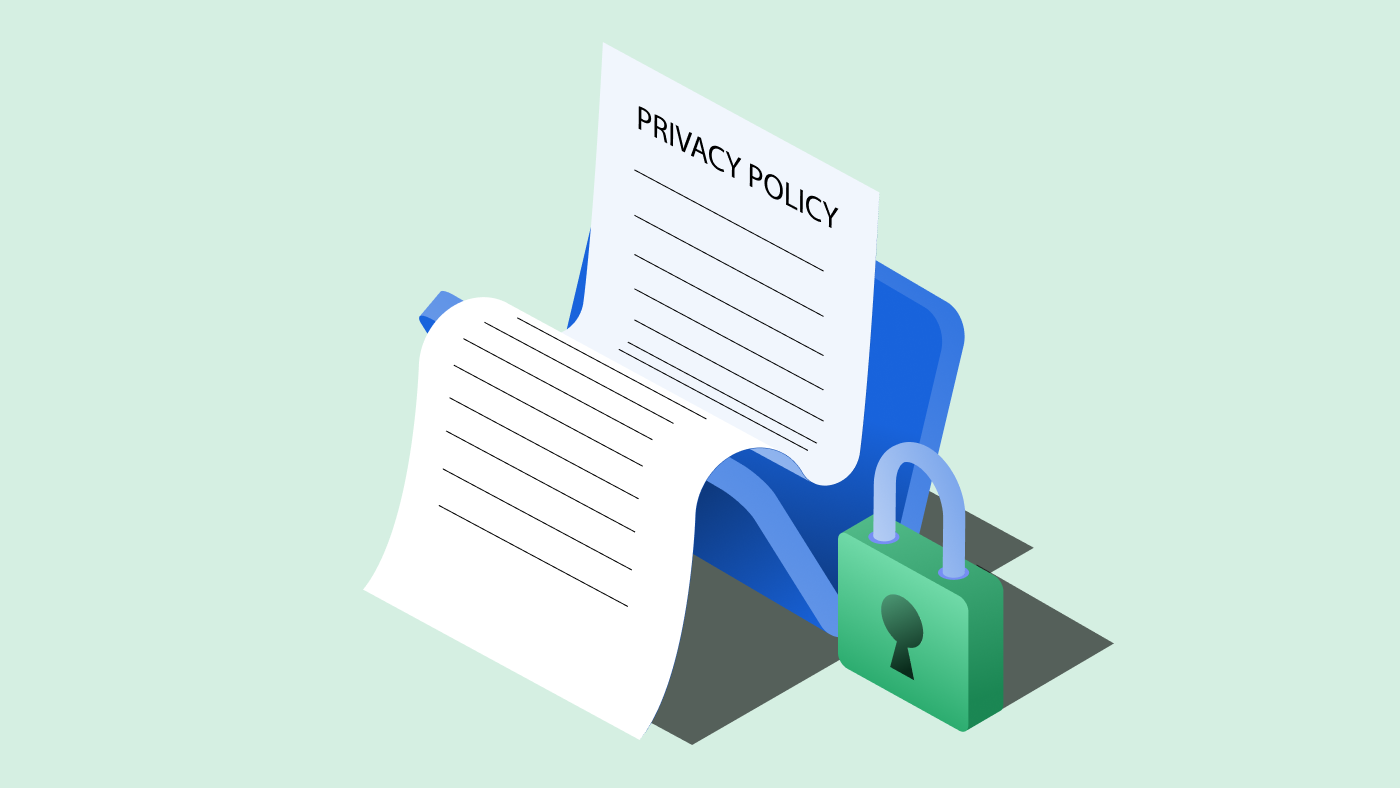
A privacy policy is a legal document that tells users and customers how and why your website collects, stores, shares, analyses, and protects their personal data. Think of it as a transparency contract between you and your visitors.
This isn't just administrative paperwork. In 2026, with data breaches making headlines and consumers more privacy-conscious than ever, your privacy policy is a critical trust signal. When someone shares their email address or browses your web development portfolio, they deserve to know what happens to that information.
Why Privacy Policies Matter More Than Ever in 2026
Websites interact with users in countless ways, often collecting data without visitors realizing it. Your site might be tracking IP addresses and geolocation, storing email addresses from contact forms, monitoring which pages users spend time on, or using cookies to track behavior across sessions.
Website owners must be aware of their obligations under the Privacy Act 1988 (as amended in 2024-2025) as well as relevant international data privacy regulations if you do business overseas.
The consequences of non-compliance have never been more serious. The 2024 amendments to the Privacy Act introduced civil penalties of up to $50 million for the most serious breaches - a dramatic increase from previous penalties. Even tech giants haven't been immune: Google was fined $57 million by French regulators for failing to properly disclose how user data was being used.
Beyond fines, there's reputational cost. In today's market, a single data privacy misstep can destroy customer trust that took years to build. Your privacy policy isn't just about legal compliance - it's about demonstrating respect for your customers.
Do I Actually Need A Privacy Policy?
According to the Privacy Act 1988 and the reforms implemented in 2024-2025, you need a privacy policy if:
- Your business has an annual turnover of more than $3 million, OR
- Your website collects, stores, or processes any personal information
That second criterion casts a wide net. Personal information includes:
- Names (first name, last name, username)
- Contact details (email addresses, physical addresses, phone numbers)
- Financial data (credit card details, bank account information)
- Technical information (IP addresses, device identifiers, browser types)
- Behavioral data (analytics from Google Analytics, tracking cookies, page views)
- User-generated content (comments, reviews, uploaded photos)
- Location data (GPS coordinates, city/region from IP)
If you're using Google Analytics, you're collecting personal data. If you have a contact form asking for an email, you're collecting personal data. If you run social media marketing campaigns with tracking pixels, you're collecting personal data. The bottom line: if you have any interactive website beyond a basic static page, you almost certainly need a privacy policy.
A Privacy Policy Is Actually Good For Business
Informing users about what personal information you're collecting and how you're using it isn't just a legal obligation - it's smart business practice that gives you a competitive advantage.
Think about it in real-world terms. If you walked into a coffee shop and the barista said, "Great! Can I also collect your email address, home address, and by the way, we're monitoring how long you spend here" - you'd want to know why. You'd expect transparency.
A well-crafted privacy policy keeps your business transparent and helps build genuine trust with users and customers. In 2026, when data breaches regularly make headlines, trust is a powerful differentiator. When building your brand through web design and digital strategy, privacy transparency should be a cornerstone.
What Must You Include In Your Privacy Policy?
Creating a compliant privacy policy means covering all the bases required by Australian law. Your policy needs to address these essential elements:
1. What data you collect: Be specific - emails, names, IP addresses, cookie data, analytics information, payment details.
2. Why you're collecting it: Clearly explain the purpose (order processing, customer service, marketing, site improvement, security).
3. How you collect, store, and use it: Describe your collection methods (forms, cookies, third-party tools) and data handling processes.
4. Cookie policy details: Explain what cookies you use, why you use them, and how users can manage them.
5. Third-party data sharing: Disclose who else has access to user data (payment processors, analytics providers, marketing platforms, hosting services) and why.
6. Data security measures: Outline how you protect personal information from unauthorized access or breaches.
7. User rights and access: Explain how users can access, correct, update, or delete their personal data.
8. Data retention periods: Specify how long you keep different types of personal information.
9. Breach notification procedures: Explain your process for notifying users if a data breach occurs (mandatory under the 2024 reforms).
10. Contact information: Provide clear contact details for privacy-related inquiries or complaints.
The Office of the Australian Information Commissioner (OAIC) provides detailed guidance on these requirements.
What Should A Privacy Policy Look Like?
An effective privacy policy should be:
Accessible
Don't hide your privacy policy in tiny font buried in the footer. It should be clearly linked from every page (typically in footer navigation, but also near data collection points like signup forms).
Easy To Understand
Avoid unnecessarily complex legal language. While it's a legal document, it should be comprehensible to ordinary users. Use clear headings, bullet points, and plain language.
Compliant With All Legal Obligations
Your policy must comply with:
- The Australian Privacy Act 1988 (including 2024 amendments)
- The Australian Privacy Principles (APPs)
- The Spam Act 2003 (for email marketing)
- International regulations if you do business overseas
Up To Date
Review and update your privacy policy at least annually, and whenever you make significant changes to data collection practices or when laws change.
The Privacy Act 1988 legislation is the primary source for your obligations.
Different Website Types Need Different Policies
Online Blogs
If your blog runs advertising campaigns or allows public comments, you need to inform readers about advertising cookies, tracking technologies, and how comment data is stored.
Email Marketing Campaigns
Australia's Spam Act 2003 has strict requirements. Your email privacy practices must include explicit consent, clear privacy notices, and easy unsubscribe options. When developing your marketing strategy, ensure email privacy compliance is built in from the start.
eCommerce Sites
You're handling sensitive data including credit card information, billing addresses, and purchase history. Your eCommerce privacy policy must detail payment processing security, how payment data is handled, third-party payment processors you use, and how you use purchase data.
Mobile Apps
Apps on Google Play and Apple App Store have specific privacy policy requirements. You must register a privacy policy with app stores and get explicit user consent for data collection. If you're developing an app, consult professionals who understand both app development and privacy compliance.
Can I Write My Own Privacy Policy?
Technically, yes - you can write your own privacy policy using free online generators. However, a privacy policy is a legally binding document that must comply with complex, evolving Australian privacy regulations. Unless you're a qualified lawyer with specific expertise in privacy law and current knowledge of 2024-2026 regulatory changes, there's significant risk in the DIY approach.
When To Get Professional Help
You should definitely consult a privacy lawyer if:
- Your business collects sensitive information (health data, financial information, children's data)
- You process large volumes of personal data
- You share data with multiple third parties
- You do business internationally
The cost of professional legal advice is far less than potential regulatory penalties or legal action from customers.
Key 2026 Privacy Law Changes You Need To Know
The privacy landscape in Australia has shifted significantly with Privacy Act reforms that came into effect in 2024-2025:
Increased Penalties
Civil penalties for serious privacy breaches increased dramatically - up to $50 million, three times the value of any benefit obtained, or 30% of turnover during the breach period.
Enhanced Individual Rights
Australians now have stronger rights including the right to request deletion of their personal information, clearer rights to access and correct data, and the right to object to certain data processing.
Stricter Consent Requirements
Consent must be voluntary, informed, specific, and current. Pre-ticked boxes and confusing opt-out mechanisms no longer meet the standard.
If you haven't reviewed your privacy policy since 2023, it's time for an update.
Conclusion
A comprehensive, compliant privacy policy isn't just a legal checkbox - it's a fundamental component of your professional online presence in 2026. With Australian privacy regulations stronger than ever and consumers increasingly concerned about data use, transparency and compliance are non-negotiable.
Whether you're running a business blog, a growing eCommerce store, or launching a new app, understanding your privacy obligations and implementing a clear, honest privacy policy protects both your business and your customers. It demonstrates professionalism, builds trust, and ensures you're operating within legal boundaries.
If your website lacks a privacy policy, or yours was created before the 2024 regulatory reforms, now is the time to act. Don't leave your business exposed to regulatory penalties or reputational damage.
Need expert guidance on privacy compliance for your website? Our team at Ziff Digital understands the intersection of web development, digital marketing, and legal compliance. Request a consultation today to discuss your privacy policy needs and broader digital strategy.
Thanks for reading - from the results-driven team at Ziff Digital.