
What Is a Brand Strategy, and Do You Need One?
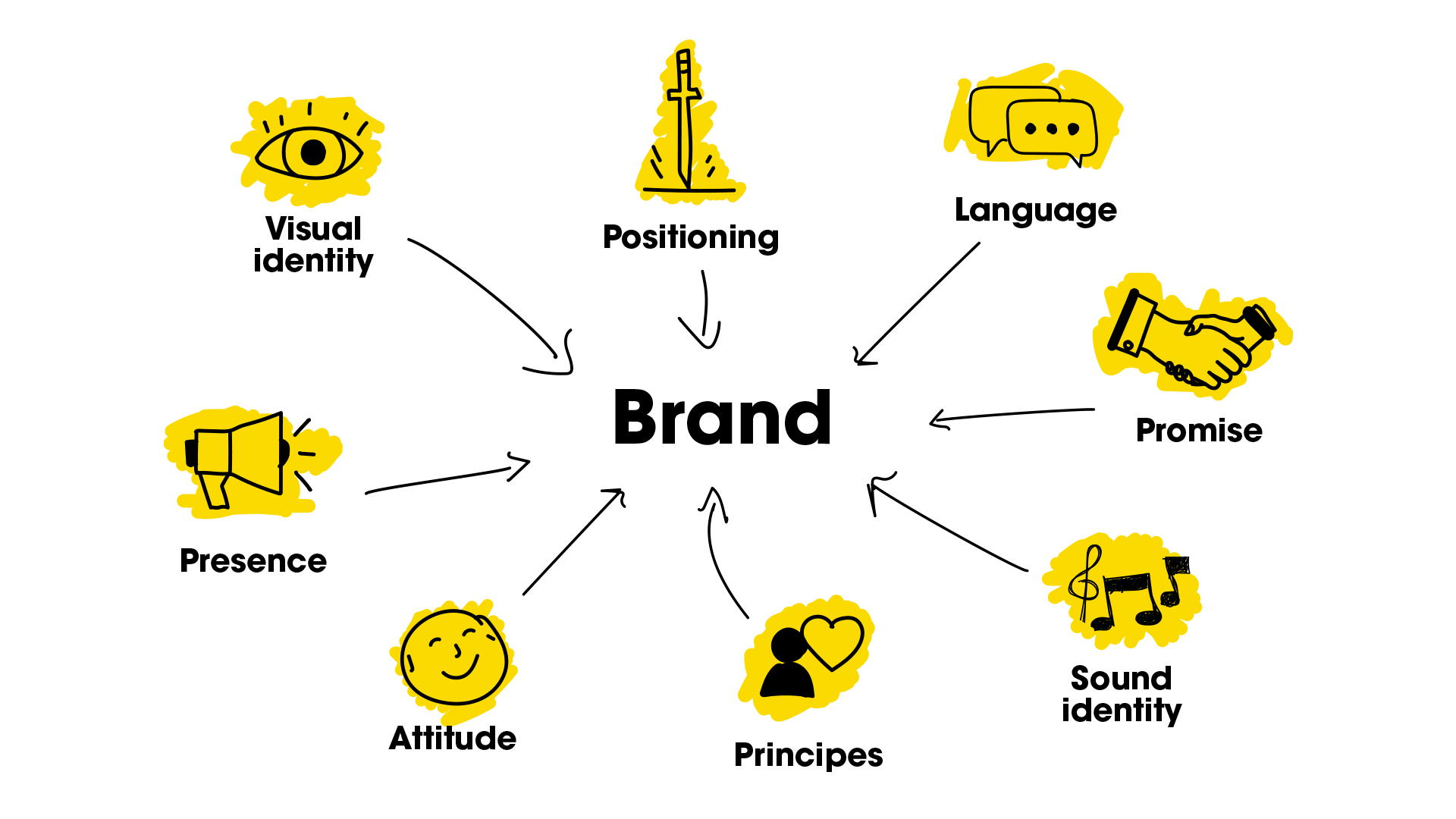
Your Blueprint for Building a Powerful, Memorable Brand
TL;DR: A brand strategy is your business's comprehensive roadmap to success, defining who you are, what you stand for, and how you connect with customers. According to Forbes, companies with a strong brand strategy can increase revenue by up to 23% and customer loyalty by 33%. Here's what you need to know:
- Brand strategy is your business foundation - it guides every decision from product development to customer communication
- Core components include mission, vision, values, positioning, and customer personas
- A strong brand strategy differentiates you from competitors and builds lasting customer relationships
- Brand strategy requires continuous monitoring, evaluation, and adaptation to stay relevant
- Every business needs one - whether you're a startup or established enterprise
A brand strategy is your business's roadmap to success. It's far more than just a fancy logo or a catchy slogan - it's the heart and soul of your company, defining how you present yourself to the world and connect with customers on a meaningful level.
Think of your brand as a person. Your brand strategy is its personality, values, and goals. It's how you want people to feel when they interact with your business, and it guides every decision you make - from the products you offer to the way you communicate with customers across every touchpoint.
For Australian businesses competing in increasingly crowded markets, a strong brand strategy helps you stand out from competitors, build genuine trust with your customers, and create a loyal following. It's the foundation for everything you do as a business, and in this comprehensive guide, we'll explore exactly what brand strategy means and why your business needs one.
Understanding the Core of Brand Strategy
Your brand strategy is the backbone of your business. It's about figuring out who you are as a company and what you stand for in a way that resonates with your target audience.
At its heart, brand strategy is about defining your purpose. Why do you exist beyond making money? What problem do you solve for your customers? What makes you fundamentally different from your competitors? These are the critical questions your brand strategy must answer with clarity and conviction.
Once you've established your purpose, you can start to shape your brand's personality. What values do you want to embody? How do you want people to feel when they interact with your brand? These become the building blocks of a strong brand identity that connects with customers on a deeper, more emotional level.
Core Values and Mission Statement: Your Brand's Foundation
Your core values are the heart and soul of your company. They're the non-negotiable beliefs that guide every decision you make, from hiring new staff to choosing which products to sell and how you treat customers. Think of them as the rails that keep your business on track, even when faced with difficult choices.
Your mission statement is your company's purpose in life. It's a clear and inspiring declaration of what you want to achieve and the impact you want to have. It's what gets your team excited to come to work every day and unites your employees around a common goal. A strong mission statement also attracts customers who share your passion and values.
Consider Patagonia. Their mission is "We're in business to save our home planet." It's clear, inspiring, and guides everything they do. Because of this strong focus and authentic commitment to environmental values, they've built a fiercely loyal customer base who shares their mission and trusts them completely.
Vision Statement: Charting Your Future Direction
While your mission statement is about what you do now and why you exist, your vision statement is all about where you want to go. It's your big, bold dream for the future - the destination you're working towards over the next 5-10 years.
A powerful vision statement inspires your team, attracts like-minded customers, and guides your strategic decision-making. It's like a compass that points you in the right direction when you're faced with multiple paths forward. For example, Tesla's vision is to accelerate the world's transition to sustainable energy. That's ambitious, specific, and inspiring.
Your vision statement should be exciting and aspirational. It should push your company to reach new heights while remaining believable and achievable. It gives your team something meaningful to work towards beyond quarterly profits.
Building Internal Consistency and Brand Culture
Imagine your brand as a ship. Your brand strategy is the captain, setting the course and direction. For the ship to sail smoothly toward its destination, everyone on board needs to know where they're going and how to get there. That's where internal consistency and alignment become critical.
When everyone in your company understands and genuinely believes in your brand's core values, mission, and vision, it creates a powerful multiplier effect. It means everyone is pulling in the same direction. From the sales team to customer support to product development, everyone knows how to represent the brand in a way that's true to its values.
Creating a Strong Brand Culture
Your brand culture is the personality of your company from the inside out. A strong brand culture doesn't just happen by accident - it's carefully crafted, consistently reinforced, and actively nurtured over time.
It starts with getting everyone on the same page. Your team needs to understand and believe in your brand's story. This means regular communication, workshops, training sessions, and sharing stories about what your brand stands for. When everyone's rowing in the same direction, it creates an amazing energy that customers can genuinely feel.
Key elements of building brand culture:
- Regular brand training and workshops for all team members
- Celebrating employees who exemplify brand values
- Making brand values part of hiring and performance reviews
- Creating brand ambassador programs
- Empowering employees to make brand-aligned decisions
Connecting With Your Target Audience
Understanding your customers is like knowing your best friend. You need to know what they like, what they need, what challenges they face, and what keeps them up at night. This deep understanding is where effective marketing strategy and brand strategy intersect.
Conducting Comprehensive Market Research
Understanding your customers is like solving a complex puzzle. Market research provides the toolkit you need to piece it all together. It's about digging deep to figure out who your ideal customer is and what truly motivates them.
Start with demographic data - age, gender, location, income level, and education. But don't stop there. The deeper psychographic insights matter most: What are their values? What do they aspire to? What problems are they desperately trying to solve? What are their fears and frustrations?
Effective market research methods:
- Customer surveys and questionnaires
- Focus groups and one-on-one interviews
- Social media listening and sentiment analysis
- Competitor analysis and market positioning studies
- Website analytics and user behaviour tracking
Developing Detailed Customer Personas
Imagine your ideal customer. What do they look like? What do they care about? Where do they spend their time? Customer personas help you put a real face and story to the people you're trying to reach, transforming abstract demographics into real people you can understand and empathize with.
A customer persona is a detailed, semi-fictional profile of your ideal customer. It goes far beyond basic demographics like age, gender, and job title. You want to understand their hopes, dreams, fears, and daily challenges. What problems are they trying to solve? How do they spend their leisure time? What media do they consume? What influences their purchasing decisions?
By creating 3-5 detailed personas, you can start to see your customers as real people with real needs, not just numbers in a spreadsheet. This helps you tailor your messaging, product development, and marketing efforts to speak directly to their specific needs and wants.
Creating a Cohesive Brand Story and Identity
Your brand's story is like a captivating novel that draws readers in and keeps them engaged. It's more than just a product or service - it's a narrative journey that your customers can be part of and connect with emotionally. This story should be the heart of everything you do, from your website to your social media posts to your customer service interactions.
The Power of Authentic Storytelling
Storytelling is the transformative ingredient that can elevate a brand from ordinary to extraordinary. It's about connecting with people on a human level, not just selling a product or service. Stories create emotional connections that facts and figures simply cannot achieve.
A great brand story follows a classic narrative structure. It has a beginning (your origin and purpose), a middle (the challenges your customers face and how you help), and a resolution (the transformation your product or service provides). By sharing your brand's authentic journey, you're inviting your audience to be part of something meaningful and bigger than themselves.
Maintaining Consistency Across All Channels
Imagine walking into a store where everything feels disconnected - the colours clash, the music doesn't match the vibe, and employees give inconsistent information. That jarring experience is what inconsistency feels like to customers. To build a strong, recognizable brand, you need consistency across every touchpoint, from your web design to your social media presence.
From your website to your social media, email marketing, packaging, and customer service, your message, tone, visual identity, and values should be unified and recognizable. When customers see your logo, colours, or hear your brand voice, they should instantly know who you are and what you stand for.
Companies like Apple are masters of consistency. No matter where you encounter the Apple brand - in stores, online, in packaging, or in advertising - you know exactly what to expect: sleek minimalist design, innovation, premium quality, and exceptional user experience. That's the power of unwavering brand consistency.
Brand Strategy vs. Branding Elements: Understanding the Difference
Your brand strategy is the roadmap and destination, while your logo, colours, fonts, and tagline are the vehicle that gets you there. The vehicle is important and needs to be well-designed, but it's the roadmap that determines where you're going and why.
Many businesses make the mistake of thinking that branding is just about creating a cool logo, choosing attractive colours, or crafting a catchy slogan. But the truth is, those visual and verbal elements are just the surface expression of something much deeper. They're the result of a well-thought-out strategy, not the strategy itself.
The Role of Visual Identity in Brand Strategy
Your brand's visual identity is like your face - it's often the first thing people see, and it should create a strong, positive impression. Through strategic graphic design, a strong visual identity makes your brand memorable, recognizable, and distinctive. But it's not just about looking attractive - it must communicate meaning.
Your visuals should tell a story about your brand and reflect your core values and personality. For example, if your brand is committed to environmental sustainability, you might use earthy green tones and natural imagery. If your brand is innovative and cutting-edge, you might use bold, modern typography and vibrant colours.
Key visual identity elements:
- Logo design and variations
- Colour palette (primary, secondary, accent colours)
- Typography and font families
- Photography and imagery style
- Graphic elements and patterns
Adapting and Evolving Your Brand Strategy
A strong brand isn't set in stone - it's a living, breathing entity that needs to grow and evolve with changing market conditions, customer preferences, and business realities. The world is constantly evolving, and your brand needs to adapt to remain relevant and competitive.
Regular Monitoring and Evaluation
A successful brand isn't built and forgotten - it requires constant attention, monitoring, and refinement. Regular brand health check-ups are essential to ensure your brand strategy remains effective and aligned with business goals.
Key brand performance metrics to track:
- Brand awareness and recognition levels
- Customer sentiment and brand perception
- Customer loyalty and retention rates
- Net Promoter Score (NPS)
- Share of voice in your industry
- Brand equity and valuation
Embracing Continuous Improvement
Building a strong brand is a marathon, not a sprint. It's about constant learning, adapting, and growing in response to market feedback and changing conditions. Your brand strategy shouldn't be a static document gathering dust on a shelf - it should be a dynamic, living framework that evolves with your business.
The business landscape is always changing. What worked brilliantly last year might be less effective today. Customer preferences shift, new competitors emerge, technologies evolve, and market conditions fluctuate. By embracing a culture of continuous improvement and staying agile, you can ensure your brand remains fresh, relevant, and competitive.
Brand Strategy Is the Heart of Your Business Success
Brand strategy is far more than a marketing exercise - it's the fundamental cornerstone of a successful, sustainable business. It's about creating meaningful connections with your audience, building lasting trust and loyalty, and differentiating yourself in crowded, competitive markets.
By understanding your customers deeply, defining your brand's authentic purpose and values, creating a cohesive story and consistent experience across all touchpoints, and continuously adapting to market changes, you can build a brand that people genuinely love, trust, and advocate for.
For Australian businesses looking to compete effectively in 2025 and beyond, investing time, resources, and strategic thinking into developing a robust brand strategy isn't optional - it's essential for long-term growth and success.
Remember, your brand is a living entity that requires nurturing, strategic UX design, and continuous evolution. It's a journey of growth and discovery, not a one-time destination. By investing in a strong brand strategy today, you're setting your business up for sustainable success tomorrow.
Ready to build a powerful brand strategy that drives real business results?
Request a Custom Brand Strategy Consultation Today and discover how Ziff Digital's branding experts can help you create a brand that stands out, resonates with your audience, and drives measurable growth.
Thanks for reading - from the results-driven team at Ziff Digital.