Google Unveils AI Updates to Counter OpenAI Competition
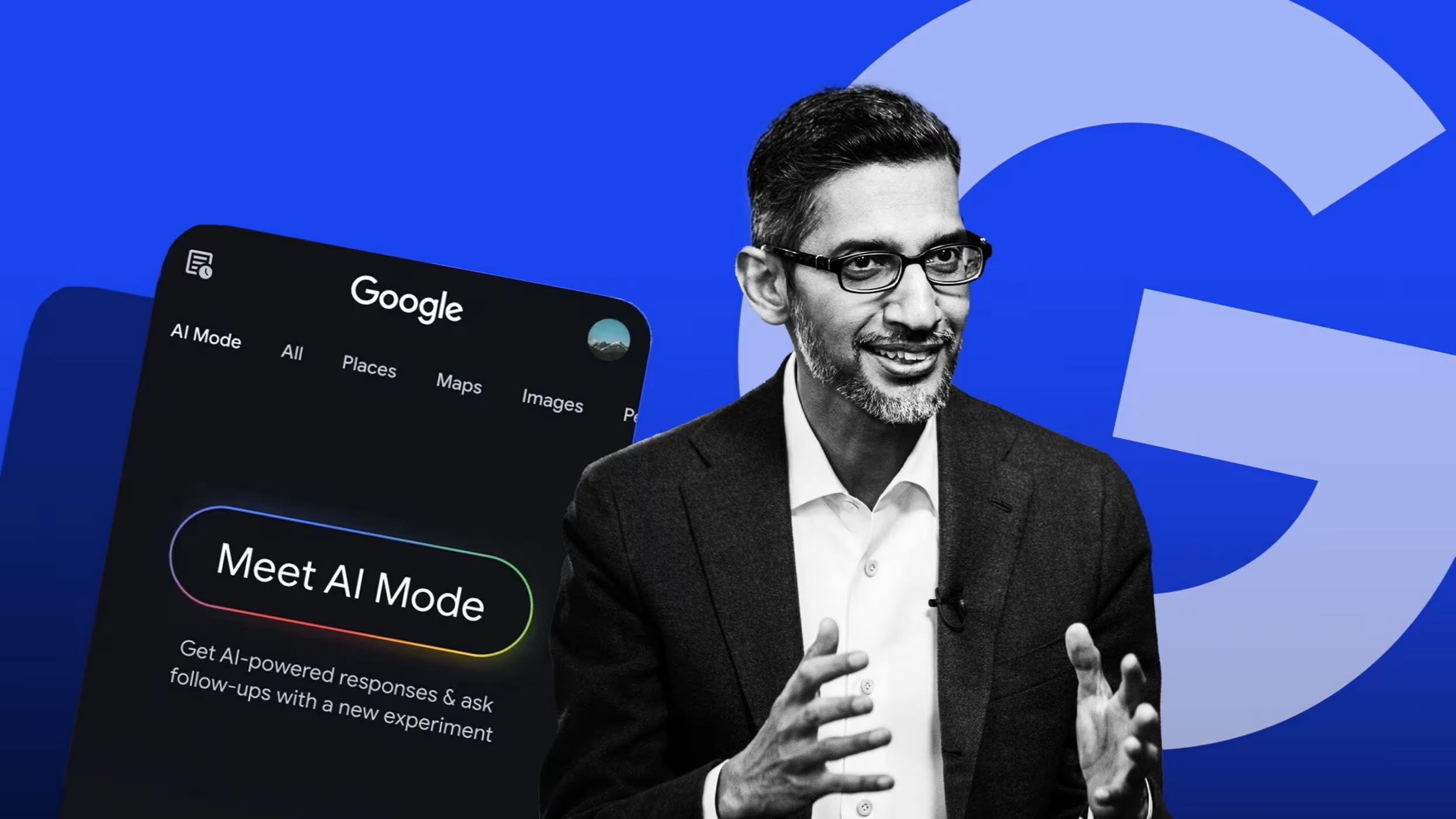
Google's Strategic AI Expansion: New Research Agent, Enhanced Citations, and Developer Tools
TL;DR
- Google launched the Deep Research Agent API, enabling developers to embed autonomous research capabilities powered by Gemini 3 Pro
- Enhanced citation features address publisher concerns with increased inline links and contextual source explanations
- New text-to-speech models support 24 languages with improved emotional versatility and context-aware pacing
- Commercial partnerships with major publishers pilot AI-powered article overviews to offset potential traffic declines
- Updates position Google competitively as OpenAI simultaneously launches GPT-5.2
Introduction
The artificial intelligence landscape shifted dramatically this week as Google unveiled a comprehensive suite of upgrades to its Gemini AI platform and Search features on December 10-11, 2024. The announcement comes at a pivotal moment in the AI development sector, with Google making its advanced Deep Research Agent available to developers for the first time while simultaneously addressing critical publisher concerns about content attribution in AI-generated responses.
The timing underscores the intensifying competition in the AI sector. On the same day as Google's announcement, OpenAI launched its GPT-5.2 model following what the company internally described as a "code red" response to Google's recent advances. For businesses navigating the rapidly evolving generative AI landscape, understanding these strategic moves is essential for making informed technology decisions.
Deep Research Agent Opens to Developers
Google released an enhanced version of its Deep Research Agent, making it accessible through a new Interactions API that allows developers to embed autonomous research capabilities directly into their applications. The agent, powered by Gemini 3 Pro, achieved impressive state-of-the-art results on several industry benchmarks, including 46.4 percent on Humanity's Last Exam and 66.1 percent on the newly released DeepSearchQA benchmark.
How the Deep Research Agent Works
According to Google's official announcement, the agent operates through a sophisticated multi-step process:
- Formulates targeted search queries based on initial user requests
- Identifies knowledge gaps in retrieved information
- Searches iteratively across multiple sources until reaching satisfactory answers
- Synthesizes findings into comprehensive reports

Gemini Deep Research
New Developer Tools and Benchmarks
The company also introduced DeepSearchQA, an open-source benchmark featuring 900 hand-crafted tasks across 17 subject areas. This benchmark is specifically designed to measure the complexity of multi-step web searches, providing developers with a standardized way to evaluate AI research capabilities.
The Interactions API, launched in public beta through Google AI Studio, provides a unified interface for working with both Gemini models and agents. Key features include:
- Server-side state management for complex workflows
- Model Context Protocol integration for standardized data exchange
- Support for autonomous agent orchestration
- Seamless integration with existing development environments

Gemini Deep Research Inference Time
Enhanced Citations and Publisher Features
Addressing mounting concerns about AI-generated content attribution, Google announced several publisher-friendly features designed to maintain the visibility and value of original content sources.
Improved Source Attribution
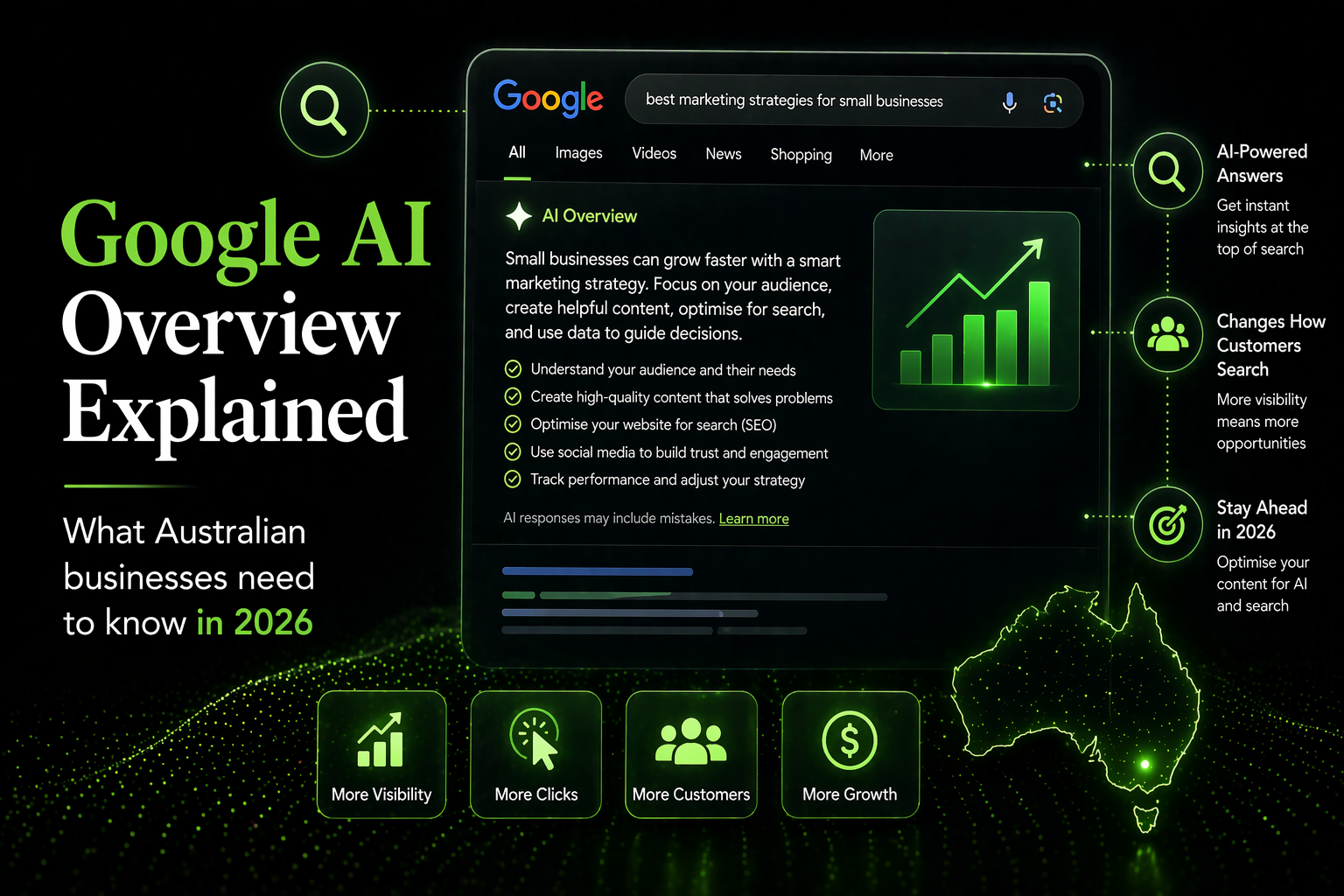
Google will significantly increase the number of inline links in AI Mode responses and add contextual explanations describing why specific sources are relevant. This addresses a key concern among publishers who worry that AI summaries reduce traffic to their original content.
The company is also expanding its Preferred Sources feature globally, allowing English-language users worldwide to select favorite news outlets for priority placement in Top Stories sections. Early data shows promising results: users who designate a preferred source click to that site twice as often on average, with nearly 90,000 unique sources selected since the feature's August launch in the U.S. and India.
Commercial Publisher Partnerships
In a significant move, Google announced commercial partnerships with nine major publishers, including The Guardian, The Washington Post, and Der Spiegel, to pilot AI-powered article overviews on their Google News pages. Crucially, participating publishers will receive direct payments to offset potential traffic declines from AI-generated summaries.
A new subscription link carousel will highlight content from publications users already pay for, first appearing in the Gemini app before expanding to AI Overviews and AI Mode. This feature aims to preserve the value of subscription-based journalism in an AI-mediated information landscape.
Text-to-Speech and Infrastructure Updates
On December 9-10, Google released updated Gemini 2.5 Flash and Pro text-to-speech models with several noteworthy improvements:
- Enhanced emotional versatility for more natural-sounding speech
- Context-aware pacing control that adjusts speed based on content type
- Improved multiple-speaker capabilities for dialogue scenarios
- Support across 24 languages for global applications
Model Context Protocol Expansion
Google expanded support for Anthropic's Model Context Protocol, releasing fully-managed remote MCP servers that provide standardized connections between AI agents and Google Cloud services. This infrastructure improvement simplifies integration for developers building web development projects with AI capabilities.
Additional improvements include a faster Web Guide feature that uses AI to organize search results into topic groups, now appearing more frequently in the All tab for users who opted into the Search Labs experiment.
Strategic Implications for Businesses
These updates signal Google's commitment to maintaining competitive positioning in the AI race while addressing legitimate concerns from content publishers. For Australian businesses evaluating AI implementation strategies, several considerations emerge:
Developer Access: The new Interactions API democratizes access to advanced research capabilities, potentially enabling SMEs to build sophisticated AI-powered tools without massive infrastructure investments.
Content Integrity: Enhanced citation features demonstrate that major AI platforms recognize the importance of proper attribution, which may influence how businesses approach content strategy in an AI-mediated search environment.
Competitive Dynamics: The simultaneous launches by Google and OpenAI suggest rapid innovation cycles, meaning businesses should prioritize flexible, adaptable AI strategies rather than committing exclusively to single platforms.
Conclusion
Google's December announcements represent a strategic response to competitive pressures while attempting to build sustainable relationships with content publishers. The Deep Research Agent API, enhanced citation features, and commercial publisher partnerships collectively demonstrate an ecosystem approach to AI development - one that balances innovation with the concerns of content creators.
For businesses navigating these developments, the key takeaway is clear: AI capabilities are advancing rapidly, but success requires thoughtful integration that respects content sources, user preferences, and business objectives. The companies that thrive will be those that leverage these powerful tools while maintaining transparency and ethical practices.
Ready to explore how these AI advances can drive growth for your business? Request a Custom AI Development Strategy Session Today to discover how Ziff Digital can help you harness cutting-edge AI capabilities for measurable ROI.
Thanks for reading - from the results-driven team at Ziff.