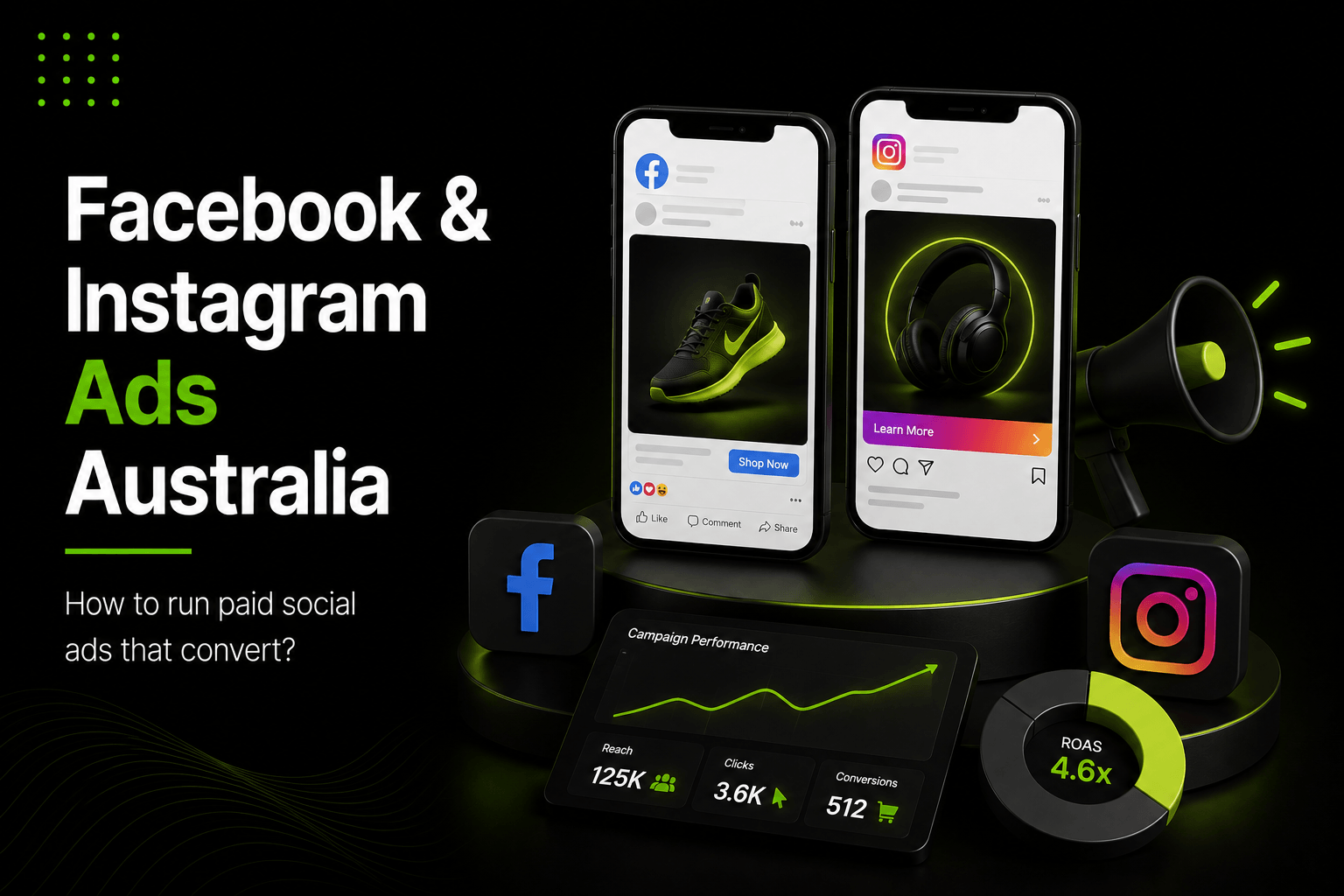
How To Place an Ad On Facebook (that actually works)
Facebook Ads That Drive Real Business Growth
TL;DR
- Match your Facebook ad objective to your business goal and marketing funnel stage (awareness, consideration, or conversion)
- Use precision targeting with custom and lookalike audiences to reduce costs and improve ROI
- Install Facebook Pixel for conversion tracking and retargeting capabilities
- Align your landing pages with ad messaging for higher conversion rates
- Focus on emotion-driven copy that addresses pain points and desires, not just features
Introduction
Facebook advertising can transform your business - but only when executed strategically. Many Australian businesses launch campaigns without proper planning, watching their ad spend disappear with minimal return. The platform offers unprecedented targeting capabilities and reach, yet success demands more than simply boosting a post.
According to Meta's business statistics, over 200 million businesses use Facebook tools monthly, competing for audience attention. Standing out requires a data-driven approach that aligns campaign objectives with measurable business outcomes.
This comprehensive guide walks you through the essential framework for creating Facebook ads that actually convert. Whether you're launching your first campaign or optimizing existing efforts, you'll learn the proven strategies that separate profitable campaigns from costly mistakes. Combined with strong digital marketing strategy, Facebook advertising becomes a powerful growth engine for your business.
Step 1: Define Your Campaign Objective
Before spending a single dollar, clarify your business goal. Facebook's advertising platform structures campaigns around specific objectives that align with different stages of the marketing funnel. Selecting the wrong objective signals the algorithm to optimize for the wrong outcomes, inflating costs and reducing effectiveness.
Brand Awareness Campaigns (Top of Funnel)
These campaigns introduce your business to new audiences without expecting immediate action. Choose between:
- Brand Awareness - Builds brand equity and recall
- Reach - Maximizes impressions within your target audience
The key here is managing expectations. You're planting seeds, not harvesting crops. Engagement is a bonus, not the primary metric. This stage warms cold audiences for future sales-focused messaging.
Consideration Campaigns (Middle of Funnel)
These objectives encourage deeper engagement with your brand:
- Traffic - Drives clicks to your website or landing page
- Engagement - Generates likes, comments, shares, or event responses
- Video Views - Increases content consumption
- Lead Generation - Captures contact information through native forms
- Messages - Initiates direct conversations via Messenger
- App Installs - Drives mobile app downloads
While these actions appear significant, the primary goal remains building interest and trust. You're nurturing relationships that will eventually convert.
Conversion Campaigns (Bottom of Funnel)
These objectives drive the most valuable actions:
- Conversions - Drives purchases, sign-ups, or other website actions
- Catalog Sales - Promotes products from your e-commerce catalog
- Store Traffic - Drives foot traffic to physical locations
Critical consideration: Only target warm audiences with conversion campaigns. Hitting cold audiences with bottom-funnel messaging dramatically increases cost-per-acquisition, making campaigns unprofitable. If you're also investing in SEO, your organic traffic can become a valuable warm audience for retargeting.
Step 2: Master Precision Targeting
Facebook's targeting capabilities separate it from traditional advertising channels. Rather than casting a wide net and hoping for results, you can reach specific individuals based on detailed demographic, psychographic, and behavioral data.
Core Targeting Options
Start with fundamental demographic filters:
- Location (target specific cities, regions, or countries - essential for Australian businesses)
- Age ranges
- Gender
- Languages spoken
- Detailed targeting by interests, behaviors, and job titles
The behavioral targeting options prove particularly powerful. You can target engaged shoppers, recent purchasers, frequent travelers, or people who've shown interest in specific topics. The connections filter lets you reach people based on pages they follow or events they've attended.
Custom Audiences: Your Secret Weapon
Custom audiences represent the most valuable targeting option. Build audiences from:
- Customer Lists - Upload email addresses or phone numbers from your database
- Website Traffic - Retarget visitors tracked by Facebook Pixel
- App Activity - Reach users who've engaged with your mobile app
- Engagement - Target people who've interacted with your content
These audiences already know your brand. They've expressed interest. Converting them costs significantly less than acquiring cold prospects.
Lookalike Audiences: Scalable Precision
Once you've built custom audiences, Facebook can identify new prospects who share characteristics with your best customers. Create lookalike audiences based on:
- Your highest-value customers
- Recent purchasers
- Email subscribers
- Website visitors who completed specific actions
Adjust the similarity percentage to balance precision with reach. A 1% lookalike targets the closest matches, while 10% expands the net.
Step 3: Optimize Your Landing Page Experience
Your ad is only half the equation. According to research from Unbounce, the average landing page conversion rate across industries sits around 4.6%. However, the top 25% of campaigns achieve conversion rates of 11.45% or higher. The difference? Landing page optimization.
Match your landing page precisely to your ad promise. If your ad promotes a specific product, send traffic directly to that product page - not your homepage or a category page. Misalignment creates friction, confusion, and abandoned sessions.
Essential landing page elements:
- Consistent messaging and visual design from ad to page
- Clear value proposition above the fold
- Single, prominent call-to-action
- Fast loading time (especially on mobile)
- Mobile-optimized design
If your website needs optimization, consider investing in professional web development and web design services. A conversion-optimized website multiplies your ad ROI.
Step 4: Implement Conversion Tracking
You cannot optimize what you cannot measure. Facebook Pixel provides the foundation for understanding campaign performance and enabling powerful retargeting.
What Is Facebook Pixel?
Facebook Pixel is a piece of code installed on your website that tracks visitor behavior. It records:
- Page views
- Add to cart actions
- Purchases
- Form submissions
- Phone calls initiated
- Custom events you define
Why Conversion Tracking Matters
Without the Pixel, you cannot:
- Attribute sales or leads to specific ads
- Build retargeting audiences
- Optimize campaigns for specific actions
- Create lookalike audiences from converters
- Calculate true return on ad spend
Facebook's algorithm learns from conversion data. The more conversion events you track, the better the platform becomes at finding high-intent users.
Retargeting: Your Second Chance
Most visitors don't convert on their first visit. Pixel data enables sophisticated retargeting campaigns that bring them back. Create audiences of people who:
- Viewed specific products but didn't purchase
- Abandoned their shopping cart
- Started but didn't complete a form
- Visited your pricing page without converting
Retargeting campaigns typically achieve significantly higher conversion rates at lower costs than cold acquisition.
Step 5: Craft Compelling Ad Creative
Your targeting might be perfect, but weak creative kills campaigns. Effective Facebook ads speak directly to the audience's emotions, addressing their specific pain points and desires.
Write Copy That Connects
Focus on three essential elements:
1. Pain and Desire
Effective copy moves people away from problems and toward solutions. Identify what keeps your audience up at night, then position your offering as the bridge to their desired outcome.
Weak: "We offer marketing services."
Strong: "Stop wasting ad spend on unqualified leads. Our proven Facebook strategies deliver qualified prospects ready to buy."
2. Compelling Offers
Give people a reason to act now. Effective offers include:
- Limited-time discounts
- Free trials or samples
- Exclusive content or resources
- Complimentary consultations
- Bonuses for immediate action
Introductory offers work particularly well for acquiring new customers, lowering the barrier to first purchase.
3. Clear Calls-to-Action
Never leave the next step ambiguous. Use action-oriented language that tells people exactly what to expect:
- "Download Your Free Guide"
- "Get Your Custom Quote Today"
- "Start Your Free 14-Day Trial"
- "Book Your Strategy Session"
Maintain consistency between your ad CTA and landing page headline for seamless transitions.
Conclusion
Facebook advertising delivers exceptional results when executed strategically. Success requires aligning campaign objectives with business goals, leveraging precision targeting, optimizing the complete user journey, implementing robust tracking, and crafting compelling creative that resonates emotionally with your audience.
The platform rewards careful planning and continuous optimization. Start with clear objectives, build warm audiences, ensure landing page alignment, install conversion tracking, and write copy that addresses real pain points. Test methodically, analyze results, and refine your approach based on data.
While Facebook Ads Manager provides comprehensive tools for campaign creation, mastery takes time, testing, and experience. The difference between profitable campaigns and expensive mistakes often comes down to strategy and execution.
Ready to Launch Facebook Ads That Actually Work?
Don't waste your ad budget learning through costly trial and error. As Facebook Marketing Partners, Ziff Digital works directly with Facebook representatives to bring you cutting-edge strategies, exclusive insights, and proven frameworks that deliver measurable ROI.
Our specialists have spent years mastering Facebook advertising for Australian businesses across industries. We handle the complexity - from audience strategy to conversion tracking to creative optimization - so you can focus on running your business.
Request a Custom Facebook Advertising Strategy Session Today and discover how to transform your ad spend into predictable, profitable growth. Contact us now to get started.
Thanks for reading - from the results-driven team at Ziff Digital.