Mobile App vs Web App: Which One Is Right for Your Business?
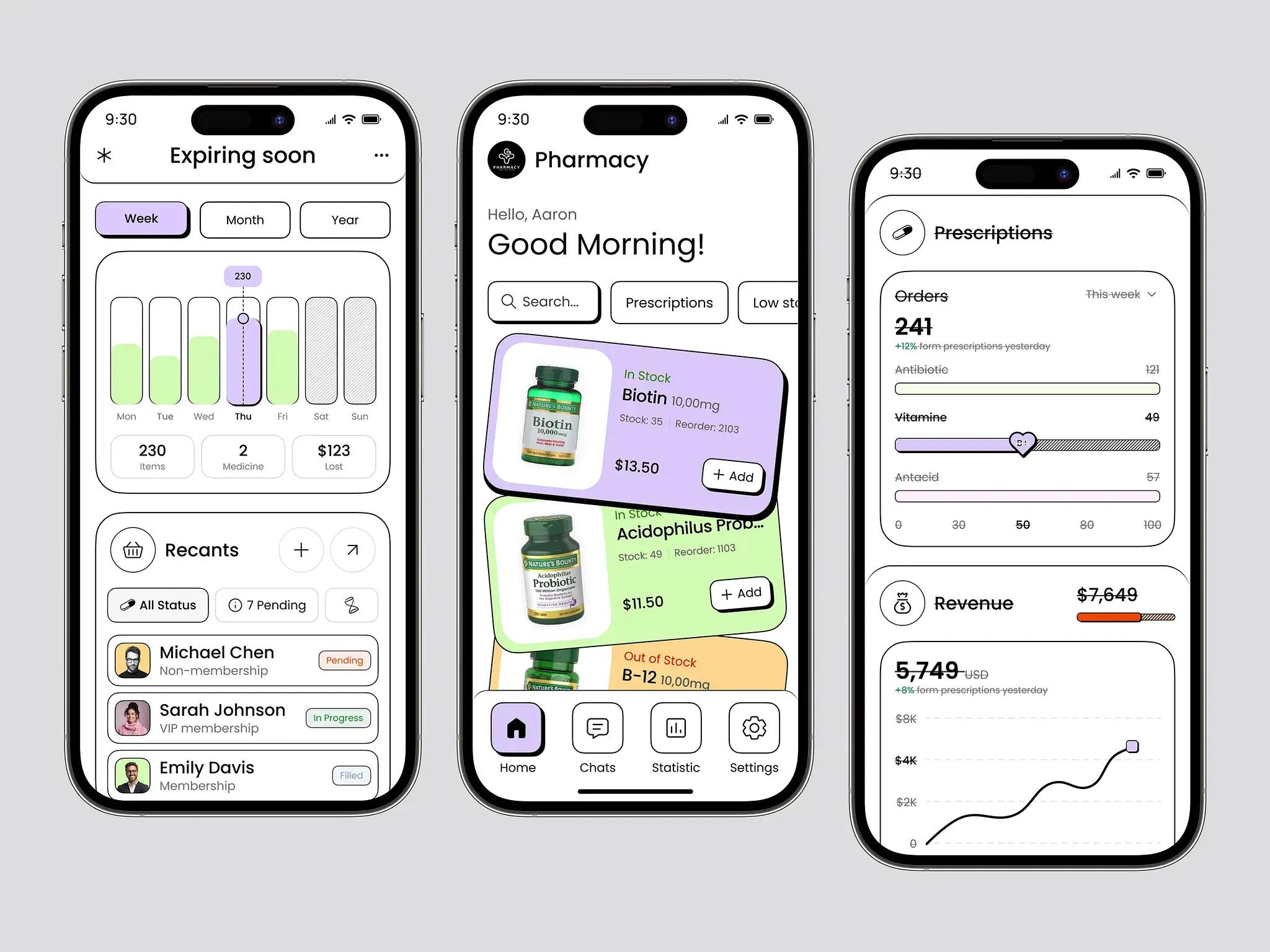
Businesses today rely heavily on digital platforms to connect with customers, streamline operations, and grow revenue. One of the most common questions companies face when building digital products is choosing between mobile app vs web app development.
Both mobile apps and web apps offer unique advantages. Mobile apps provide powerful features like push notifications and offline access, while web apps offer easy accessibility across devices without requiring downloads.
Choosing the right option depends on your business goals, target audience, budget, and the type of experience you want to deliver. Understanding the differences between these two technologies can help businesses make smarter digital decisions.
In this guide, we compare mobile apps and web apps, explain their pros and cons, and help businesses determine which platform best suits their needs.
Mobile App vs Web App Development
Mobile app vs web app development refers to the decision between building a native mobile application that users install on their smartphones or creating a web-based application that runs through internet browsers. Mobile apps offer deeper device integration and better performance, while web apps provide easier access across devices without installation.
What Is a Mobile App?
A mobile app is software designed specifically for smartphones and tablets.
Users download and install mobile apps from platforms such as:
- Apple App Store
- Google Play Store
Mobile apps are built using native technologies for specific operating systems such as iOS or Android.
Examples of mobile apps include:
- social media apps
- banking applications
- fitness tracking tools
- e-commerce shopping apps
Many businesses use mobile apps to create highly interactive and personalised customer experiences.
What Is a Web App?
A web app is an application accessed through a web browser.
Users do not need to download or install anything. They simply open a browser and access the application through a URL.
Examples of web apps include:
- online booking platforms
- project management tools
- customer portals
- e-commerce websites
Web apps work across different devices and operating systems, making them widely accessible.
Mobile App vs Web App: Key Differences
Understanding the main differences between Mobile app vs web app helps businesses evaluate which platform is most suitable.
Advantages of Mobile Apps
Mobile apps offer several advantages for businesses that require high performance and user engagement.
Better User Experience
Mobile apps are optimised for smartphones and provide smoother performance.Features such as gestures, animations, and device integrations improve user experience.
Push Notifications
One of the biggest advantages of mobile apps is push notifications.
Businesses can send messages directly to users’ phones to:
- promote offers
- announce updates
- remind customers about services
This feature makes mobile apps powerful tools for customer engagement.
Offline Functionality
Many mobile apps allow users to access certain features even without internet connectivity.
For example:
- note-taking apps
- fitness tracking tools
- navigation apps
Offline functionality can significantly improve usability.
Stronger Customer Loyalty
Businesses often use mobile apps to create loyalty programs and personalised experiences.
For example, an e-commerce company may use a mobile app to provide:
- loyalty rewards
- personalised product recommendations
- app-exclusive discounts
These features help build long-term customer relationships.
Advantages of Web Apps
Web applications also provide important benefits for businesses.
Cross-Device Accessibility
Web apps work across multiple devices including:
- smartphones
- tablets
- laptops
- desktop computers
Users can access the application from any device with a browser.
Lower Development Cost
Compared with mobile apps, web apps are usually less expensive to develop because a single application works across multiple platforms.
This makes web apps attractive for startups and smaller businesses.
Easy Updates and Maintenance
Web apps can be updated instantly.
Users automatically access the latest version without needing to download updates.
This simplifies maintenance and ensures everyone uses the newest version.
Faster Launch Time
Web applications often take less time to develop and launch compared with native mobile apps.
This allows businesses to enter the market more quickly.
Hybrid App vs Responsive Web: Alternative Approaches
Some businesses combine both approaches through hybrid solutions.
Hybrid Apps
Hybrid apps use web technologies but run inside a mobile app container.
Benefits include:
- cross-platform development
- lower development costs
- app store distribution
Responsive Web Applications
Responsive web apps adjust automatically to different screen sizes. They provide a consistent experience across desktop and mobile devices. Both solutions help businesses balance performance and cost.
Factors to Consider When Choosing an App Platform
Choosing the right solution requires evaluating several important factors.
Target Audience
Understanding where your customers spend time online helps determine the best platform.
For example:
- mobile-first audiences may prefer native apps
- business tools may work better as web apps
Business Goals
Businesses should evaluate what they want the app to achieve.
Examples include:
- customer engagement
- online sales
- internal workflow management
- data analysis
Different goals may require different technologies.
Budget and Development Resources
Mobile apps typically require higher development budgets due to platform-specific development.
Web apps may offer a more cost-effective starting point for many businesses.
Required Features
Certain features may influence platform choice.
For example:
Mobile apps are better for:
- push notifications
- offline functionality
- device integration
Web apps are better for:
- cross-platform access
- quick deployment
- easy updates
These considerations form an important Business app decision guide.
When Businesses Should Choose Mobile Apps?
Mobile apps are often ideal when businesses want to:
- deliver personalised user experiences
- engage customers regularly
- use device features such as camera or GPS
- provide offline functionality
Examples include:
- e-commerce loyalty apps
- fitness tracking platforms
- social networking apps
When Businesses Should Choose Web Apps?
Web apps may be the better option when companies want:
- easy accessibility across devices
- faster development timelines
- lower development costs
- simpler maintenance
Examples include:
- customer portals
- booking systems
- internal business tools
These applications prioritise accessibility and convenience.
FAQ About Mobile App vs Web App Development
What is the difference between mobile apps and web apps?
Mobile apps are installed on smartphones, while web apps run through internet browsers and do not require installation.
Which option is cheaper to develop?
Web apps are generally cheaper because one application works across multiple devices and platforms.
Do mobile apps perform better than web apps?
Yes, mobile apps often provide faster performance because they are built specifically for the device’s operating system.
Can businesses build both mobile and web apps?
Yes. Many companies launch web apps first and later develop mobile apps as their product grows.
How do businesses choose the right platform?
Businesses should evaluate their target audience, budget, required features, and long-term growth strategy before choosing a platform.
Conclusion
Choosing between mobile app vs web app development is an important decision for businesses building digital products. Mobile apps offer powerful features, strong engagement, and better performance, while web apps provide accessibility, faster development, and lower costs.
The right choice depends on your audience, business goals, and technical requirements. Some companies even combine both approaches to maximise reach and functionality.
By understanding the strengths and limitations of each option, businesses can build digital platforms that support long-term growth and deliver better user experiences.
If your organisation is considering building an application, the best step is to evaluate your goals and consult experienced developers who can help determine the ideal platform for your business success.