AI Agents Explained: The Future of Intelligent Workflow Automation
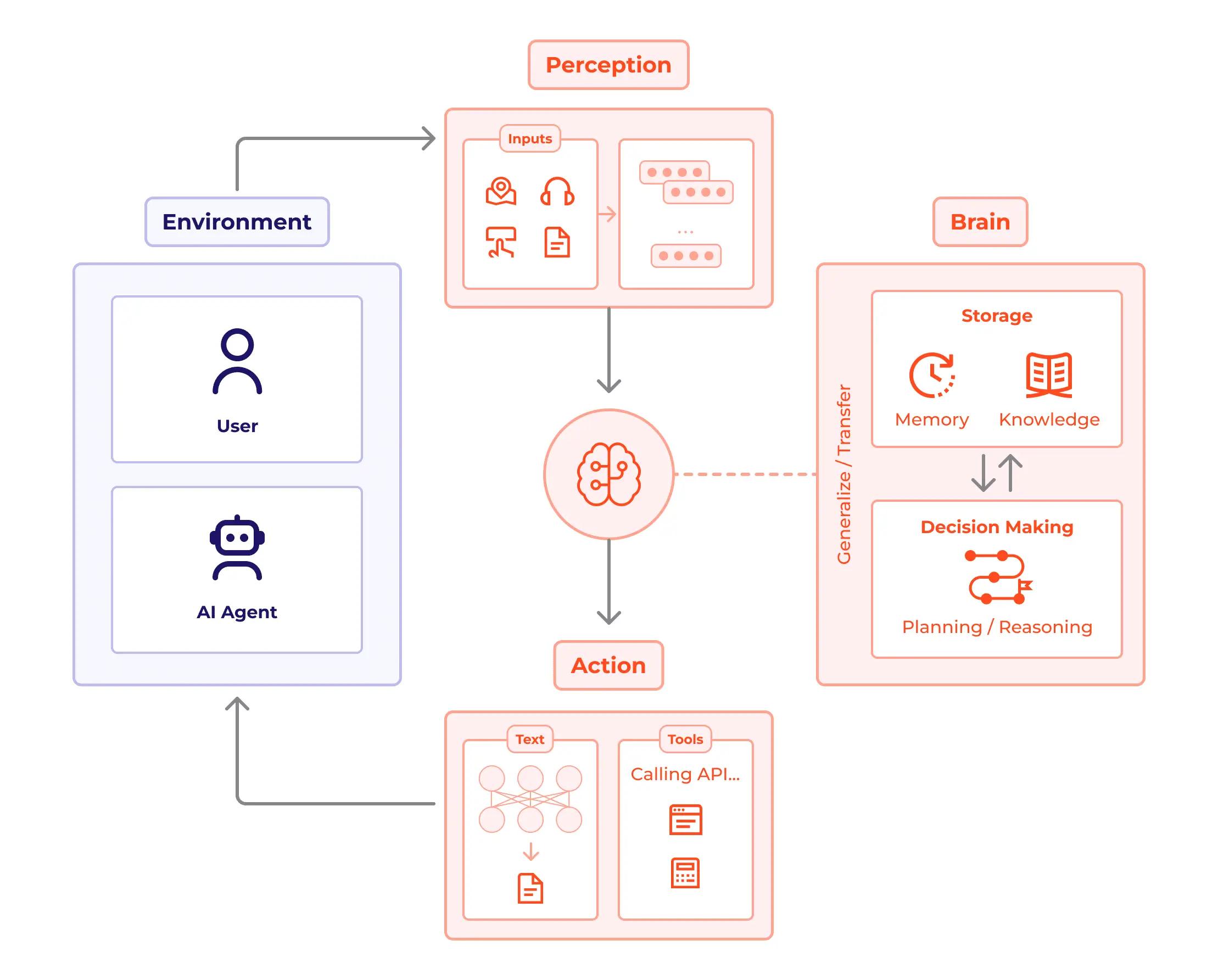
Businesses today are looking for smarter ways to automate work, reduce manual tasks, and improve productivity. One of the most exciting technologies driving this change is AI Agents. These intelligent systems can analyse information, make decisions, and complete tasks automatically without constant human input.
Unlike traditional automation tools that follow fixed rules, AI agents can learn, adapt, and collaborate with other systems. This allows organisations to automate complex workflows such as sales operations, customer support, HR processes, and data analysis.
As technology advances, AI agents are becoming a key part of modern digital infrastructure. Understanding how they work and how businesses use them can help organisations unlock powerful automation opportunities.
What Are AI Agents?
AI Agents are intelligent software systems that can analyse information, make decisions, and perform tasks automatically. They use artificial intelligence techniques such as machine learning and natural language processing to interact with systems, automate workflows, and complete complex tasks with minimal human supervision.
AI Agents Explained: How They Work?
To understand AI agents explained, it helps to think of them as intelligent digital assistants capable of performing tasks independently.
AI agents typically follow a structured process:
- Perceive Information – Collect data from systems, databases, or user input.
- Analyse Data – Use AI models to interpret information and identify patterns.
- Make Decisions – Choose the best action based on goals or instructions.
- Execute Tasks – Perform actions such as sending emails, updating systems, or generating reports.
- Learn and Improve – Continuously improve performance through feedback and new data.
Because of this ability to analyse and act independently, AI agents can automate many business processes that previously required human effort.
Types of AI Agents
There are several types of AI agents depending on their complexity and purpose.
Single AI Agents
A single AI agent performs a specific task or set of tasks.
Examples include:
- Customer support chatbots
- Email automation assistants
- Data analysis tools
- Scheduling assistants
These systems focus on automating individual tasks within a workflow.
Businesses often start with single agents when implementing AI workflow automation.
Multi-Agent AI Systems
More advanced environments use multi-agent AI systems, where several agents work together.
Each agent may handle different responsibilities, such as:
- Data collection
- Decision making
- Task execution
- Performance monitoring
For example, in a sales workflow:
- One agent gathers customer data
- Another agent qualifies leads
- A third agent schedules meetings
Together they create a coordinated automated process.
This collaboration enables more complex automation across entire business operations.
Autonomous AI Agents
Autonomous AI agents represent the most advanced form of AI automation.
These systems can:
- Set goals
- Plan tasks
- Execute multiple actions
- Adapt to changing conditions
Autonomous agents require minimal supervision and can manage entire processes independently.
They are increasingly used in areas like finance analysis, supply chain management, and digital marketing automation.
How AI Workflow Automation Is Transforming Businesses?
One of the biggest advantages of AI agents is their ability to automate workflows across different departments.
Examples of AI workflow automation include:
- Customer support automation
- Marketing campaign management
- HR recruitment screening
- Financial data analysis
- IT system monitoring
Businesses using AI agents often report significant productivity improvements, particularly on repetitive administrative tasks where the work is rule-based and high volume.
This allows teams to focus on strategic and creative work instead of manual processes.
Real Business Use Cases for AI Agents
Sales and Lead Management Automation
Sales teams often spend significant time managing leads and updating CRM systems.
AI agents can automate tasks such as:
- Lead qualification
- Customer segmentation
- Follow-up emails
- Meeting scheduling
- Sales pipeline updates
This helps sales teams focus on closing deals instead of administrative work.
HR Recruitment and Candidate Screening
Hiring processes involve reviewing large numbers of applications.
AI agents can assist HR teams by:
- Screening resumes
- Identifying qualified candidates
- Scheduling interviews
- Sending automated communication
This improves hiring efficiency and reduces recruitment time.
Customer Support Automation
Customer service departments frequently handle repetitive questions.
AI agents can:
- Answer common customer inquiries
- Route complex issues to human agents
- Track support tickets
- Provide real-time assistance
These capabilities improve response time and customer satisfaction.
Benefits of Intelligent AI Agents for Businesses
Many organisations are investing in Intelligent AI agents business solutions because they deliver measurable advantages.
Key benefits include:
- Increased operational efficiency
- Reduced manual workload
- Faster decision-making
- Scalable automation
- Improved accuracy
- Lower operational costs
AI agents also operate continuously, meaning they can perform tasks 24/7 without downtime.
This makes them especially valuable for global businesses and digital services.
Future AI Agent Technology Trends (2026 and Beyond)
The development of Future AI agent tech is accelerating rapidly.
Experts predict several major trends by 2026.
Increased Multi-Agent Collaboration
More businesses will adopt coordinated multi-agent AI systems that manage complex workflows across departments.
Self-Learning and Adaptive Systems
AI agents will become better at learning from data and improving their performance without manual programming.
Integration With Enterprise Platforms
AI agents will integrate directly with enterprise software systems such as:
- CRM platforms
- ERP systems
- Marketing tools
- Data analytics platforms
This will allow AI agents to manage larger parts of business operations.
Personal AI Assistants for Employees
Many professionals will use AI agents as daily assistants for tasks like scheduling, research, reporting, and project management.
These developments will further expand the role of AI in business operations.
AI Agent Development Guide for Businesses
For organisations interested in implementing AI agents, the development process typically includes several steps.
Identify Automation Opportunities
Businesses should first identify tasks that are repetitive or data-heavy. These are the best candidates for Automate tasks with AI agents.
Design the AI Agent Workflow
Developers design workflows that define:
- Input data sources
- Decision logic
- Actions performed by agents
- Integration with existing systems
Train AI Models
Machine learning models are trained using relevant business data to enable accurate decision-making.
Deploy and Monitor
Once deployed, businesses monitor performance and improve the system over time.
Continuous learning helps AI agents become more effective.
FAQ About AI Agents
1. What are AI agents used for?
AI agents are used to automate tasks such as customer support, sales operations, data analysis, marketing automation, and workflow management.
2. Are AI agents different from chatbots?
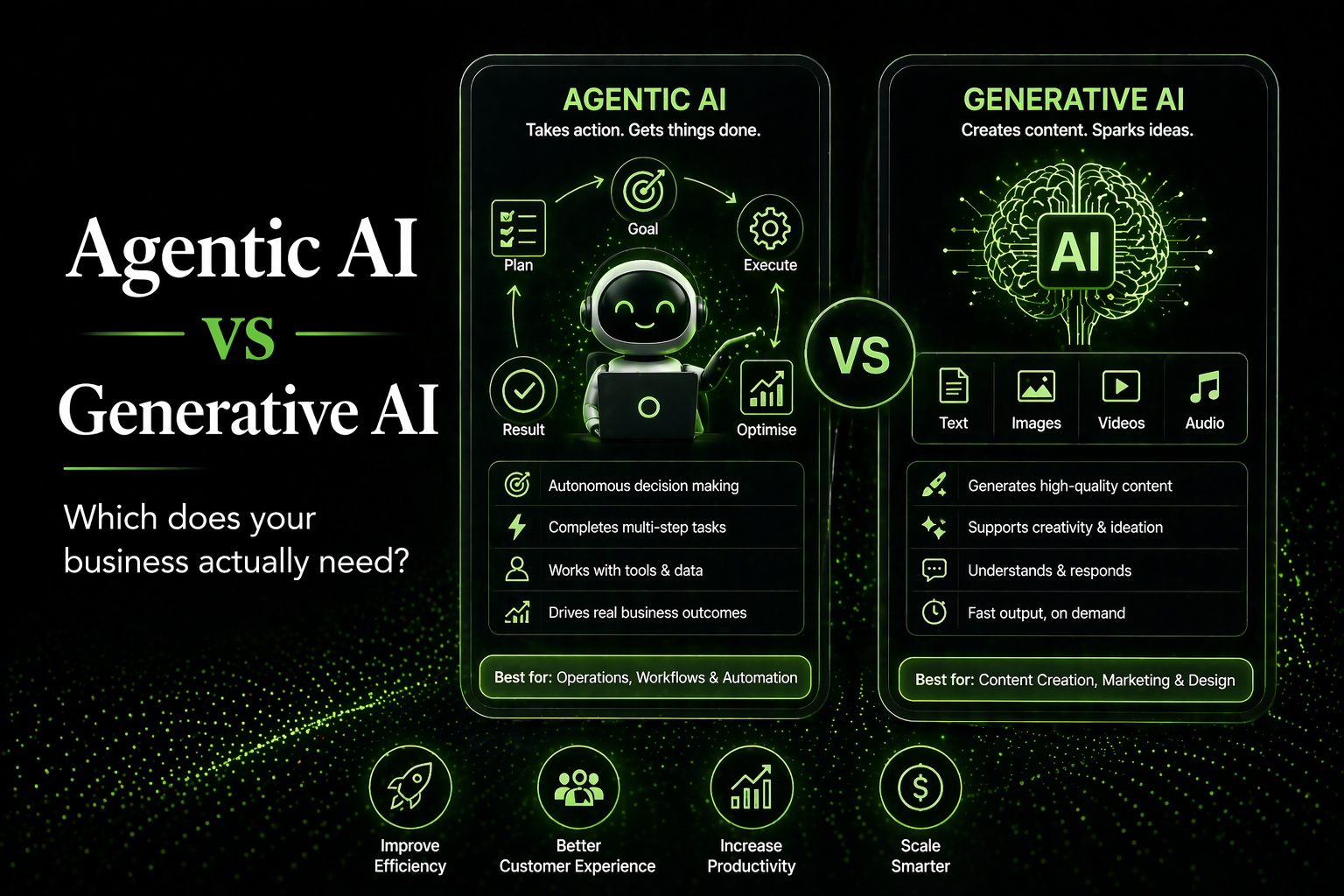
Yes. Chatbots are usually designed for conversation, while AI agents can analyse data, make decisions, and perform complex tasks across multiple systems.
3. Can small businesses use AI agents?
Yes. Many AI agent solutions are scalable and can help small businesses automate operations and improve productivity.
4. How long does it take to build AI agents?
Development timelines depend on complexity, but basic AI agents can be developed in a few weeks, while advanced systems may require several months.
5. Are AI agents secure for business use?
When implemented correctly with proper security and data governance, AI agents can operate safely within business systems.
Conclusion
AI automation is entering a new era, and AI Agents are at the centre of this transformation. These intelligent systems can analyse information, make decisions, and execute tasks automatically, allowing businesses to streamline operations and improve efficiency.
From sales automation and HR recruitment to customer support and data analysis, AI agents are helping organisations automate complex workflows and save significant time.
As technology continues evolving, businesses that invest in AI agent solutions today will be better positioned to compete in the future digital economy.
If your organisation wants to automate workflows and unlock new productivity gains, now is the perfect time to explore how AI agents can transform your operations and drive smarter automation.