Is Google AI Overview Using Generative AI? What Australian Businesses Need to Know in 2026
Google AI Overview and Generative AI - What Is Happening?
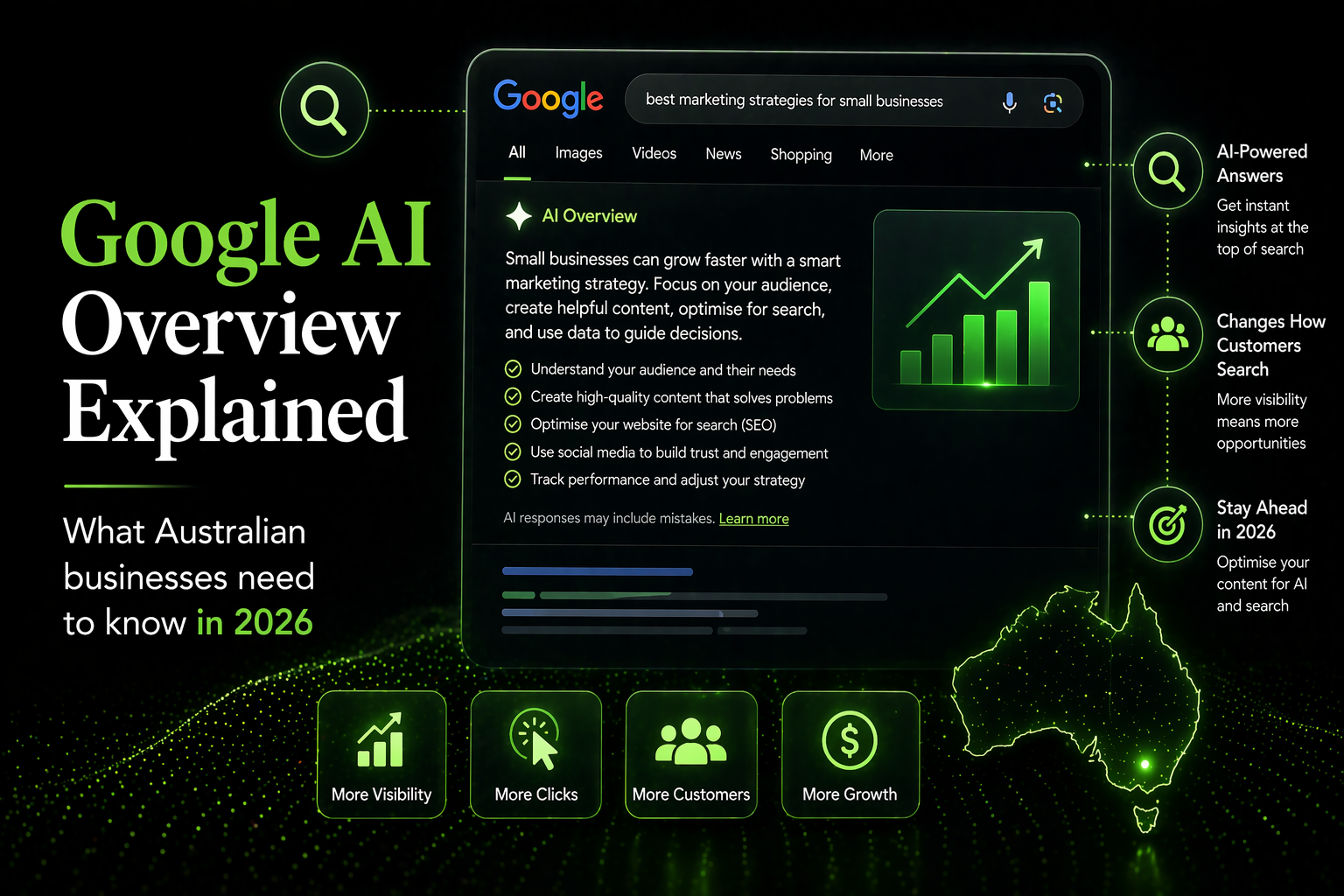
If you have searched on Google recently and noticed a block of AI-generated text appearing at the top of the results page, that is Google AI Overview. It is Google's integration of generative AI directly into search results - producing a synthesised answer to a query rather than just a list of links.
This is a significant change to how search works. For years, the goal of SEO was to rank in the top organic positions so that users would click through to your website. Now, for many queries, users are getting their answer directly from Google's AI summary - without clicking on anything at all. Understanding how this works, and what it means for your business, is increasingly important in 2026.
How Google AI Overview Uses Generative AI?
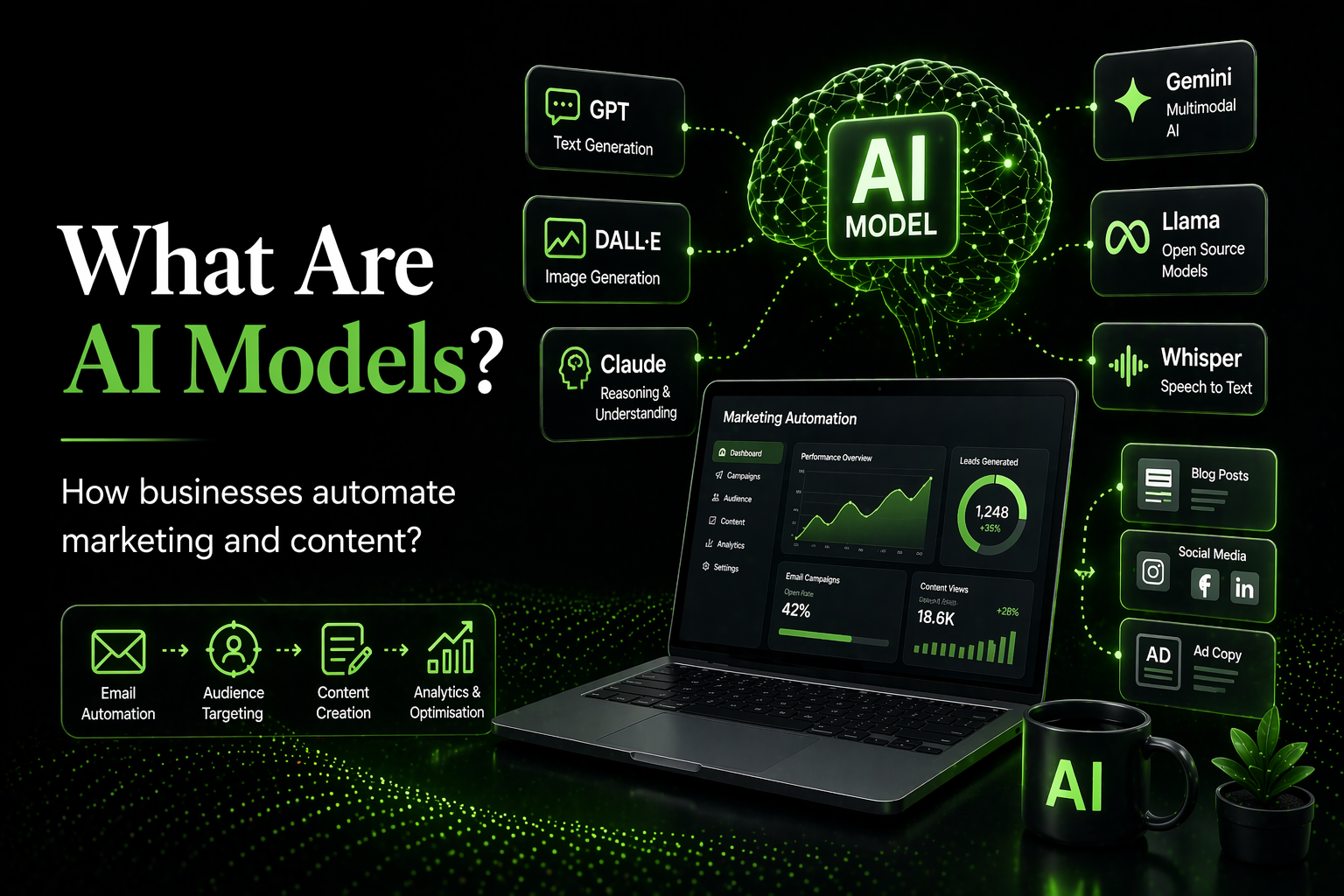
Google AI Overview is powered by Gemini, Google's own large language model. When a user enters a search query, Gemini processes the query and generates a synthesised response by drawing on content from across the web - including your website. The response appears at the top of the search results page, above traditional organic listings.
This is generative AI in direct action. The model reads, understands and synthesises information from multiple sources, then generates a response in its own words. The sources it draws from are credited with small citations - but the user reads the AI summary first, often without needing to click through to any individual page.
Which Queries Trigger Google AI Overview?
Not every search triggers an AI Overview. Google's system is selective. AI Overview tends to appear for informational and research queries - how-to questions, comparison questions, definition questions, and multi-step problem-solving queries. For highly commercial queries, local intent searches, and recent news, traditional search results still dominate.
For businesses, this means that informational content - blog posts, guides, explainer articles and FAQ pages - is now in direct competition with Google's own AI-generated responses. Getting your content included in Google AI Overviews, rather than replaced by them, is the new frontier of organic search optimisation.
What Is GEO - Generative Engine Optimisation?
Generative Engine Optimisation, or GEO, is the practice of optimising your content to be cited and included in AI-generated search responses - not just to rank in traditional organic listings. As generative AI becomes a bigger part of how people find information online, GEO is emerging as a critical complement to traditional SEO.
Where traditional SEO focuses on ranking signals like backlinks, keyword usage and page authority, GEO focuses on how well your content can be understood, extracted and cited by AI systems. This includes writing clearly structured, factually accurate content, establishing your brand as a trusted source in your industry, and ensuring your content is formatted in ways that AI systems can read and synthesise effectively.
How Generative AI Is Changing How Australian Businesses Get Found Online?
The combined effect of Google AI Overview, ChatGPT, Perplexity and other AI-powered search platforms is a fundamental shift in how people find information. Users increasingly ask AI systems questions directly and trust the AI's synthesised response over browsing multiple websites. For businesses that rely on organic search traffic, this shift requires a strategic response.
The businesses that will perform best in this new environment are those that establish genuine authority in their space - through depth of content, accuracy, consistency and trustworthiness. AI systems, including Google's, prioritise sources that demonstrate expertise and credibility. That means:
- Publishing detailed, accurate content that answers real questions your audience is asking.
- Building your brand's presence across authoritative platforms and publications.
- Structuring your content clearly so AI systems can extract and attribute your expertise.
- Maintaining consistency between what your website says and what your business actually does.
- Updating existing content regularly to ensure accuracy and relevance.
What Does This Mean for Your SEO Strategy in 2026?
Traditional SEO is not dead - far from it. Ranking in organic search results remains valuable, and for many query types, traditional results still dominate. But the most forward-thinking businesses are now running two parallel strategies: traditional SEO to capture click-based organic traffic, and GEO to ensure their brand is cited in AI-generated responses.
This is not a complete overhaul of your existing strategy. It is an extension of it. The content qualities that make a website rank well in traditional search - depth, accuracy, authority, good structure - are the same qualities that make it more likely to be cited in AI overviews. The difference is in the focus. GEO requires you to think about your content as something that AI systems will read and synthesise, not just humans browsing search results.
Generative AI Development and Your Search Visibility
There is a direct connection between investing in generative AI development services and improving your position in AI-powered search. Businesses that build proprietary AI tools, publish authoritative AI-related content, and demonstrate deep expertise in AI applications in their industry are more likely to be cited by AI search systems as credible sources.
This is especially true for the generative AI space itself. As more Australian businesses search for generative AI development companies and generative AI solutions, the businesses that have established the deepest and most authoritative content presence in that space will benefit most from both traditional search rankings and AI-generated citations. Content strategy and AI development strategy are increasingly the same strategy.
What Australian Businesses Should Do Right Now?
The most practical steps you can take in 2026 to benefit from the shift to AI-powered search are clear. Audit your existing content and identify where you have genuine expertise that is not yet well-documented online. Produce deep, well-structured content on the specific questions your audience is asking. Build your brand's presence on authoritative third-party platforms. And ensure your website's technical foundations are solid - speed, structure, and mobile performance all remain critical signals.
For businesses in the generative AI space, the opportunity is particularly significant. AI search systems are actively looking for authoritative, expert sources on AI-related topics. Companies that invest in building genuine content authority now will compound that advantage over time - appearing in AI overviews, traditional rankings, and as trusted sources across the growing ecosystem of AI-powered search platforms.