Key Features Every Business Website Must Have in 2026
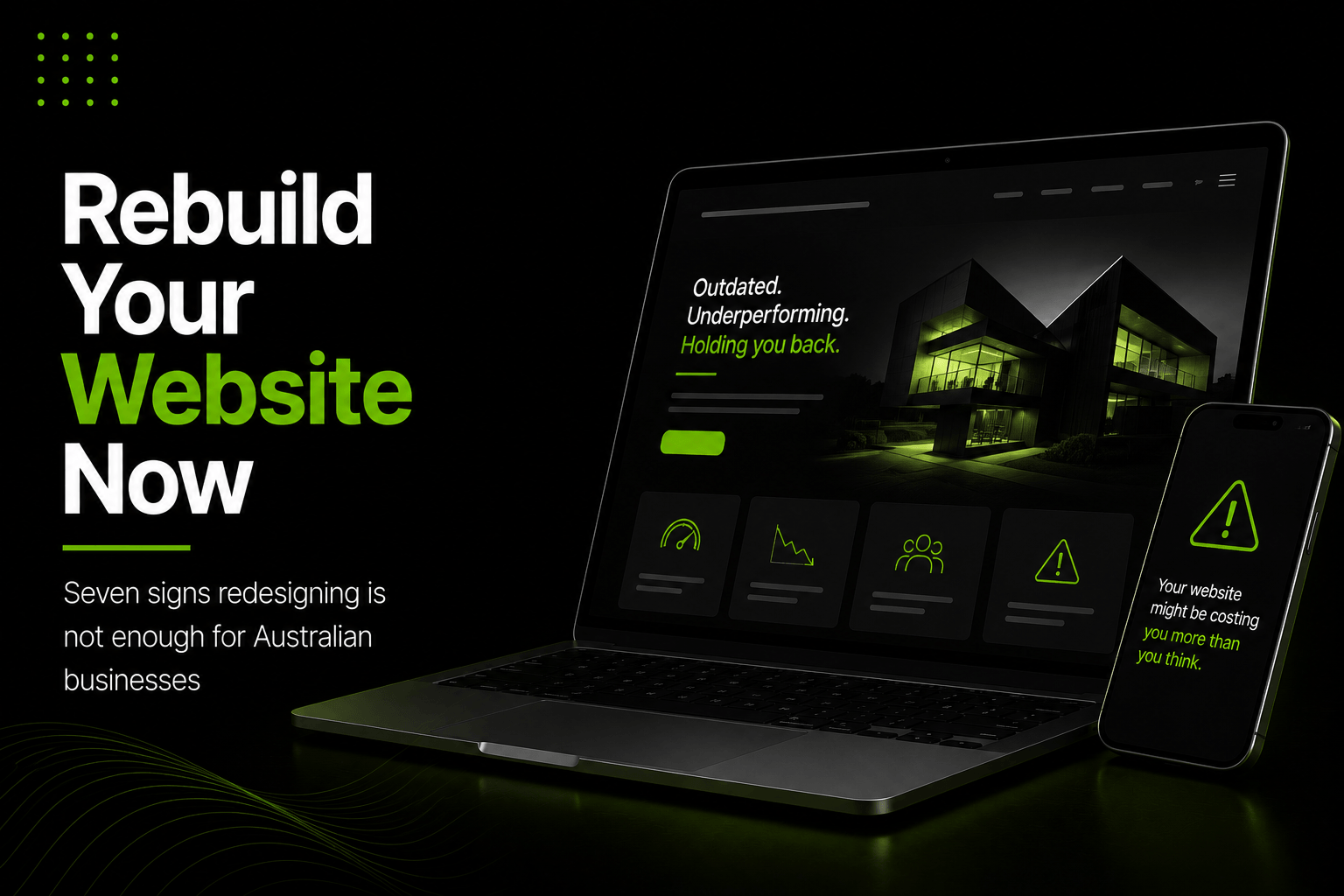
Your website is often the first impression customers have of your business. If it loads slowly, looks outdated, or is hard to use, visitors will leave before taking action. This is why understanding the most important business website features is essential for companies that want to grow online in 2026.
Modern websites are no longer just digital brochures. They must be fast, mobile-friendly, SEO-optimised, secure, and designed to convert visitors into customers. Businesses that miss these features risk losing traffic, leads, and sales to competitors.
In this guide, we explain the must-have business website features every company needs in 2026 and provide a simple checklist you can use to audit your site.
What Are the Most Important Business Website Features?
The most important business website features in 2026 include fast loading speed, mobile-first design, SEO-friendly structure, strong security, clear calls-to-action, live chat or AI support, analytics tracking, and conversion-optimised forms. These features help websites attract visitors, improve user experience, and generate more leads or sales.
Why Modern Business Websites Need More Than Just Design?
In the past, having a simple website was enough. Today, users expect speed, usability, and trust.
A modern website must support:
- search engine rankings
- user experience
- lead generation
- mobile usage
- security standards
- performance metrics
These requirements define the essential website features 2026 businesses must include to stay competitive.
Websites missing these elements often experience:
- high bounce rates
- low conversions
- poor SEO rankings
- weak user engagement
UX & Performance Features Every Website Needs
User experience and performance are the foundation of every successful website.
Fast Loading Speed and Core Web Vitals
Speed is one of the most important SEO-friendly website features.
Google measures performance using Core Web Vitals, including:
- loading speed
- visual stability
- interaction responsiveness
Fast websites provide:
- better rankings
- better user experience
- higher conversions
Slow websites lose visitors quickly.
Mobile-First Responsive Design
Most users browse on mobile devices.
A modern website must work perfectly on:
- phones
- tablets
- laptops
- desktops
Mobile-first design ensures content adapts to different screen sizes.
This is one of the most important modern business website features in 2026.
Clear Navigation and Simple Layout
Visitors should find information quickly.
Good navigation includes:
- simple menu structure
- clear page hierarchy
- easy-to-read content
- visible buttons
Strong navigation improves user experience and reduces bounce rate.
These are key user experience website features every site needs.
Conversion-Focused Website Features
A website should not only look good — it should generate leads and sales.
Clear Call-to-Action Buttons
Every page should guide visitors to take action.
Examples include:
- Contact us
- Get a quote
- Book a call
- Buy now
- Start free trial
Clear CTAs are essential conversion-focused website features.
Optimised Lead Forms and Checkout
Forms should be:
- simple
- fast
- mobile-friendly
- secure
Long or complicated forms reduce conversions.
For e-commerce, checkout should be:
- quick
- Easy
- secure
- minimal steps
These features directly affect sales performance.
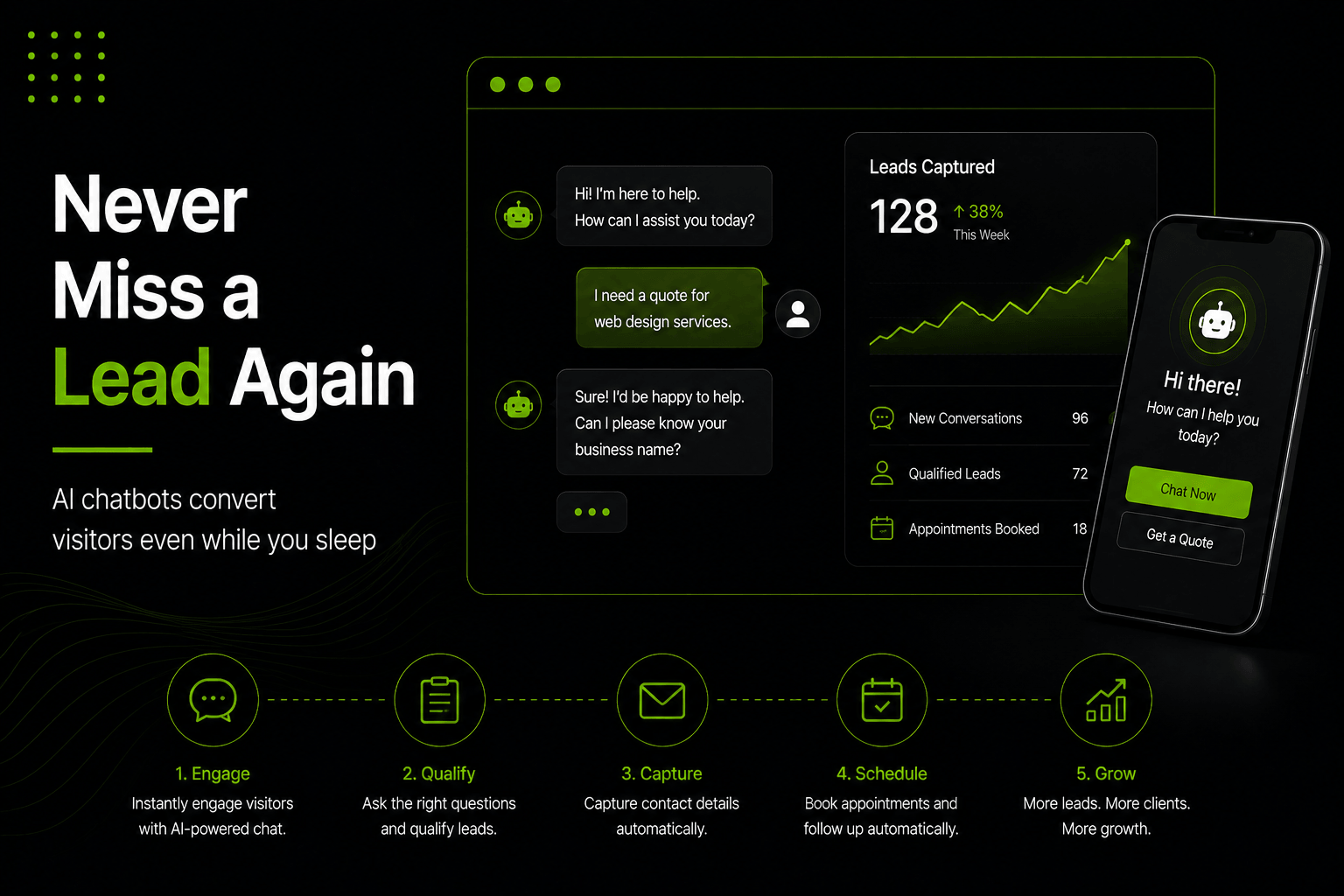
Live Chat or AI Chatbot Support
Modern websites often include:
- live chat
- AI chatbots
- automated support
These tools help visitors get answers quickly.
Benefits include:
- better engagement
- higher conversion rate
- improved customer experience
Chatbots are becoming part of features every business website needs in 2026.
SEO-Friendly Website Features
Without SEO, customers may never find your website.
Clean URL Structure
SEO-friendly URLs help search engines understand content.
Example:
good → /web-design-services bad → /page?id=123
Proper Heading Structure
Using correct headings helps both users and search engines.
Pages should use:
- H1 for title
- H2 for sections
- H3 for subtopics
This improves readability and SEO.
Optimised Metadata
Each page should include:
- title tag
- meta description
- alt text for images
- schema markup
These are critical SEO-friendly website features.
Trust & Security Features for Business Websites
Visitors must trust your website before they buy or contact you.
SSL Security (HTTPS)
Secure websites show the lock icon in the browser.
Security improves:
- user trust
- search rankings
- data protection
SSL is required for all modern websites.
Privacy and Cookie Policies
Businesses must include:
- privacy policy
- terms of service
- cookie notice
These are important for compliance and trust.
Testimonials and Reviews
Social proof increases credibility.
Examples include:
- client testimonials
- case studies
- reviews
- ratings
Trust signals help visitors feel confident.
Analytics and Tracking Features
You cannot improve what you cannot measure.
Every business website should include:
- Google Analytics
- search console tracking
- conversion tracking
- heatmaps (optional)
Tracking helps businesses understand:
- where visitors come from
- what pages they view
- where they leave
- what converts
These insights are part of the 2026 website feature checklist.
2026 Website Feature Checklist
Use this checklist to audit your website.
✅ Fast loading speed
✅ Mobile-first design
✅ Clear navigation
✅ Strong CTAs
✅ SEO-friendly structure
✅ Optimised forms
✅ Live chat / chatbot
✅ SSL security
✅ Privacy policy
✅ Analytics tracking
✅ Testimonials / trust signals
✅ Scalable design
If your site is missing several of these, it may need an upgrade.
FAQ About Business Website Features
1. What features should every business website have?
Every website should include fast speed, mobile design, SEO optimisation, clear CTAs, security, analytics, and conversion-focused layout.
2. Why are website features important for SEO?
Search engines rank websites higher when they are fast, mobile-friendly, secure, and well structured.
3. How often should a business update its website?
Most websites should be updated every few years to keep up with new technology and user expectations.
4. Is mobile design really necessary?
Yes. Most users browse on mobile, and Google uses mobile-first indexing.
5. What is the most important website feature in 2026?
Speed, mobile usability, and SEO structure are among the most important features.
Conclusion
Modern websites must do more than just look good. The right business website features help attract visitors, improve user experience, increase conversions, and support long-term growth.
From fast performance and mobile-first design to SEO optimisation, chat support, and analytics tracking, these features define successful websites in 2026.
If your website is missing several of these elements, it may be costing you traffic and sales. Audit your website today and make sure it includes the features needed to compete online.