Why Technical SEO is the Foundation of Your Digital Growth?
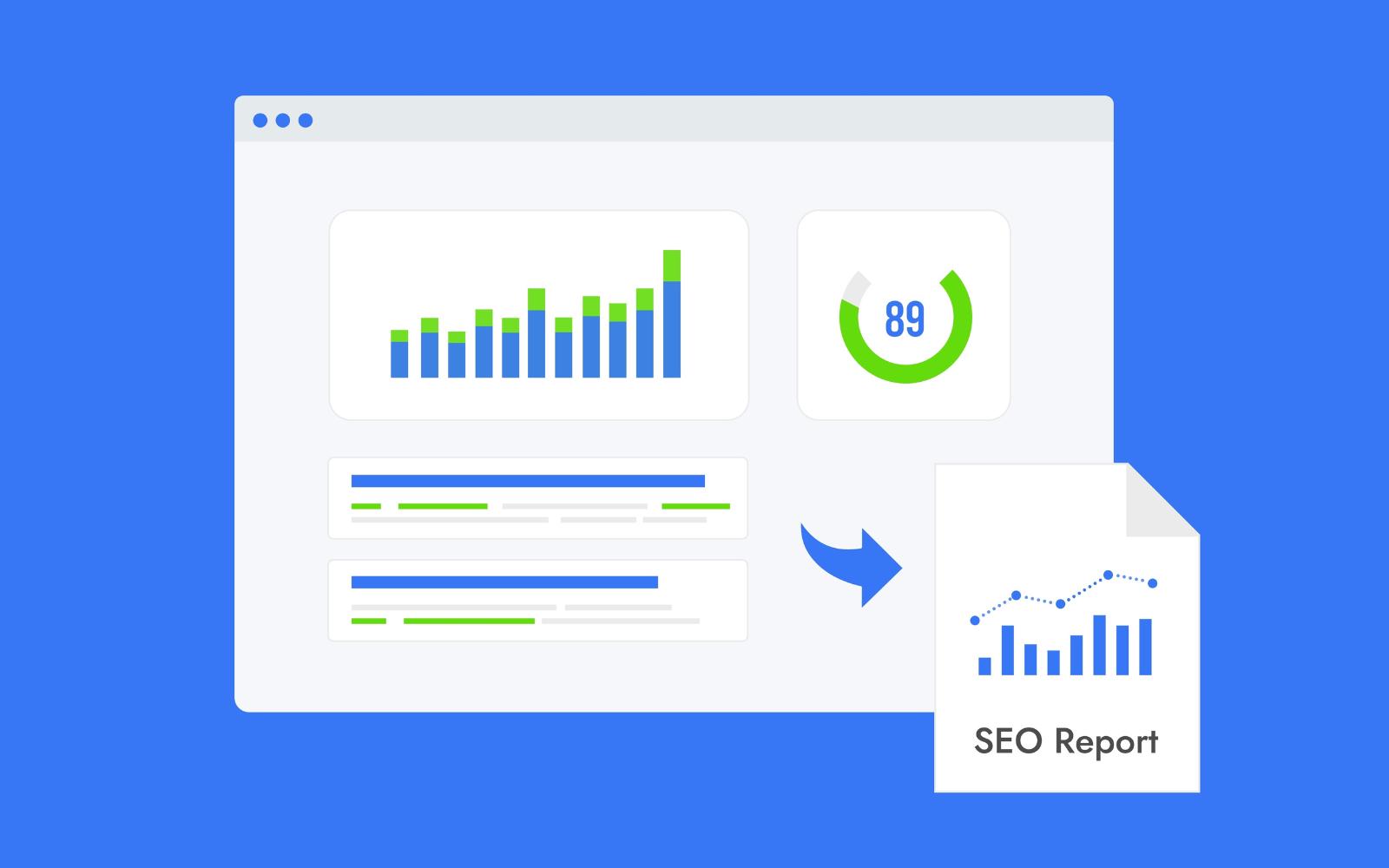
Many businesses focus heavily on keywords, content, and backlinks, but forget that none of these work properly without a strong technical base. If your website cannot be crawled, loaded quickly, or understood by search engines, even the best content will struggle to rank. This is why technical optimization is the true foundation of long-term digital growth.
Technical SEO ensures that your website’s structure, speed, and performance allow search engines to access and trust your content. When the technical side of your site is healthy, rankings improve faster, indexing becomes easier, and organic traffic grows more consistently.
What Is Technical SEO and Why It Matters?
Technical SEO refers to the process of improving the backend structure of your website so search engines can crawl, index, and rank your content efficiently. Without proper technical health, search engines may not be able to read your pages correctly, which prevents your site from reaching its full potential.
Technical SEO focuses on the engine of your website rather than the visible content. It ensures that everything behind the scenes works smoothly so that your pages can perform well in search results.
Key areas of technical SEO include:
- Site speed
- Mobile responsiveness
- Crawlability
- Indexing
- Site structure
- Core Web Vitals
- Schema markup
- Security (HTTPS)
- URL structure
- Internal linking
When these elements are optimised, search engines can trust your site more easily, which improves your ability to rank for competitive keywords.
Why Technical Optimization Comes Before Keywords?
Many websites try to rank by publishing more content, but if the technical setup is weak, search engines may never properly index those pages. This means businesses often invest time and money into content that cannot perform.
Search engines follow a process before ranking any page. First, they crawl the site, then they index it, and only after that do they rank it. If there is a problem in the first two steps, rankings will not happen.
Common technical problems that block rankings:
- Broken links
- Slow loading pages
- Duplicate URLs
- Missing sitemap
- Incorrect redirects
- Blocked pages in robots.txt
- Poor internal linking
- Large image sizes
Fixing these issues allows search engines to understand your site correctly and gives your content the chance to perform.
How Site Speed Affects Rankings and User Experience?
Site speed is one of the most important technical ranking factors. Google wants to show users websites that load quickly and provide a smooth experience. Slow websites increase bounce rate, reduce engagement, and send negative signals to search engines.
Google measures speed using Core Web Vitals, which evaluate how fast and stable your pages are.
Important speed factors include:
- Page load time
- Server response time
- Image size optimisation
- Code efficiency
- Browser caching
- Lazy loading
- Script optimisation
A fast website helps with:
- Better rankings
- Lower bounce rate
- Higher conversions
- Improved user experience
- Stronger trust signals
When speed improves, both SEO performance and user satisfaction increase.
Understanding Google Core Web Vitals
Core Web Vitals are performance metrics that Google uses to measure user experience. These metrics help determine whether your site loads quickly, responds smoothly, and remains stable while loading.
Core Web Vitals include:
- Largest Contentful Paint (LCP) – how fast the main content loads
- First Input Delay (FID) – how quickly the page responds
- Cumulative Layout Shift (CLS) – how stable the layout is
Websites that fail these metrics may struggle to rank even if the content is strong.
Improving Core Web Vitals often requires:
- Faster hosting
- Optimised images
- Clean code
- Reduced scripts
- Better caching
- Content delivery networks (CDN)
Strong performance signals tell Google that your site provides a good experience, which supports long-term growth.
Why Mobile-First Indexing Changed SEO?
Google now uses mobile-first indexing, which means it evaluates the mobile version of your site before the desktop version. If your site does not work well on mobile, your rankings may drop even if the desktop version is perfect.
Mobile optimisation is no longer optional. It is a core part of technical SEO.
Important mobile factors include:
- Responsive design
- Fast mobile loading
- Easy navigation
- Readable text
- Proper spacing
- No blocked resources
- Optimised images
- Touch-friendly buttons
A mobile-friendly site helps search engines crawl more efficiently and improves user experience at the same time.
How Crawl Errors Prevent Your Content From Ranking?
Search engines use bots to crawl your website. If the bot cannot access your pages, those pages cannot be indexed, and if they are not indexed, they cannot rank.
Crawl errors often happen without website owners noticing, which is why regular technical audits are important.
Common crawl issues include:
- 404 errors
- Redirect loops
- Broken internal links
- Blocked pages
- Missing sitemap
- Incorrect canonical tags
- Server errors
- Duplicate content
Fixing crawl errors ensures that search engines can discover all your content and rank it correctly.
Why Site Structure Affects SEO Performance?
A clear site structure helps both users and search engines understand how your content is organised. When pages are connected properly, search engines can crawl them faster and assign authority more effectively.
Good site structure includes:
- Logical categories
- Clear navigation
- Internal linking
- Clean URLs
- Breadcrumbs
- Topic clusters
- Hierarchy from homepage to subpages
Poor structure can cause problems such as:
- Pages not indexed
- Authority not passed
- Confusing navigation
- Lower rankings
A strong structure makes it easier for your website to grow over time.
Technical Optimization and Long-Term Digital Growth
Technical SEO is not only about fixing problems. It creates the base that allows every other strategy to work better. Content marketing, backlinks, and keyword targeting all depend on a technically healthy website.
Benefits of strong technical optimization include:
- Faster indexing
- Higher rankings
- Better user experience
- More organic traffic
- Stronger authority
- Improved conversions
- Easier scaling
- Better AI visibility
This is why experienced agencies like Ziff Digital focus on technical optimisation first before building advanced SEO campaigns. Without a strong foundation, long-term growth becomes difficult.
Signs Your Website Needs Technical SEO
Many businesses do not realise their growth is limited by technical issues. If your site has good content but poor performance, technical SEO is usually the missing piece.
Signs you may need technical improvements:
- Pages not ranking
- Slow loading speed
- Traffic not growing
- High bounce rate
- Indexing problems
- Errors in Search Console
- Poor mobile performance
- Low Core Web Vitals score
Fixing these issues often leads to faster improvements than creating more content.
How to Build a Strong Technical SEO Foundation?
Creating a solid technical base requires regular audits, monitoring, and optimisation. Technical SEO is not a one-time task but an ongoing process that supports long-term growth.
Steps to build a strong foundation:
- Improve site speed
- Fix crawl errors
- Optimise Core Web Vitals
- Ensure mobile friendliness
- Clean site structure
- Add schema markup
- Secure the site with HTTPS
- Optimise images and code
- Use internal linking
- Monitor Search Console
When these steps are followed, your website becomes easier to rank, easier to scale, and easier for search engines to trust.
Technical SEO Is the Engine Behind Every Successful Website
Digital growth does not start with keywords. It starts with a strong, healthy website that search engines can crawl, understand, and trust. Without that foundation, even the best content will struggle to perform.
Technical SEO ensures your site is fast, structured, and accessible, which allows every other marketing effort to work properly. Businesses that invest in technical optimization early build a stronger platform for long-term rankings, organic traffic, and sustainable digital growth.