First Logo, First Brand: A Graphic Design Checklist for Australian Startups
You have done the hard work of building something real. You have a business idea that solves a genuine problem, a product or service you believe in, and the drive to make it work. Now you need to show the world what you are - and that starts with design.
Your brand is not just a logo. It is the complete visual system that communicates who you are, what you stand for, and why you are worth paying attention to. For Australian startups, getting this right from the beginning matters - because first impressions in a competitive market are almost impossible to reverse.
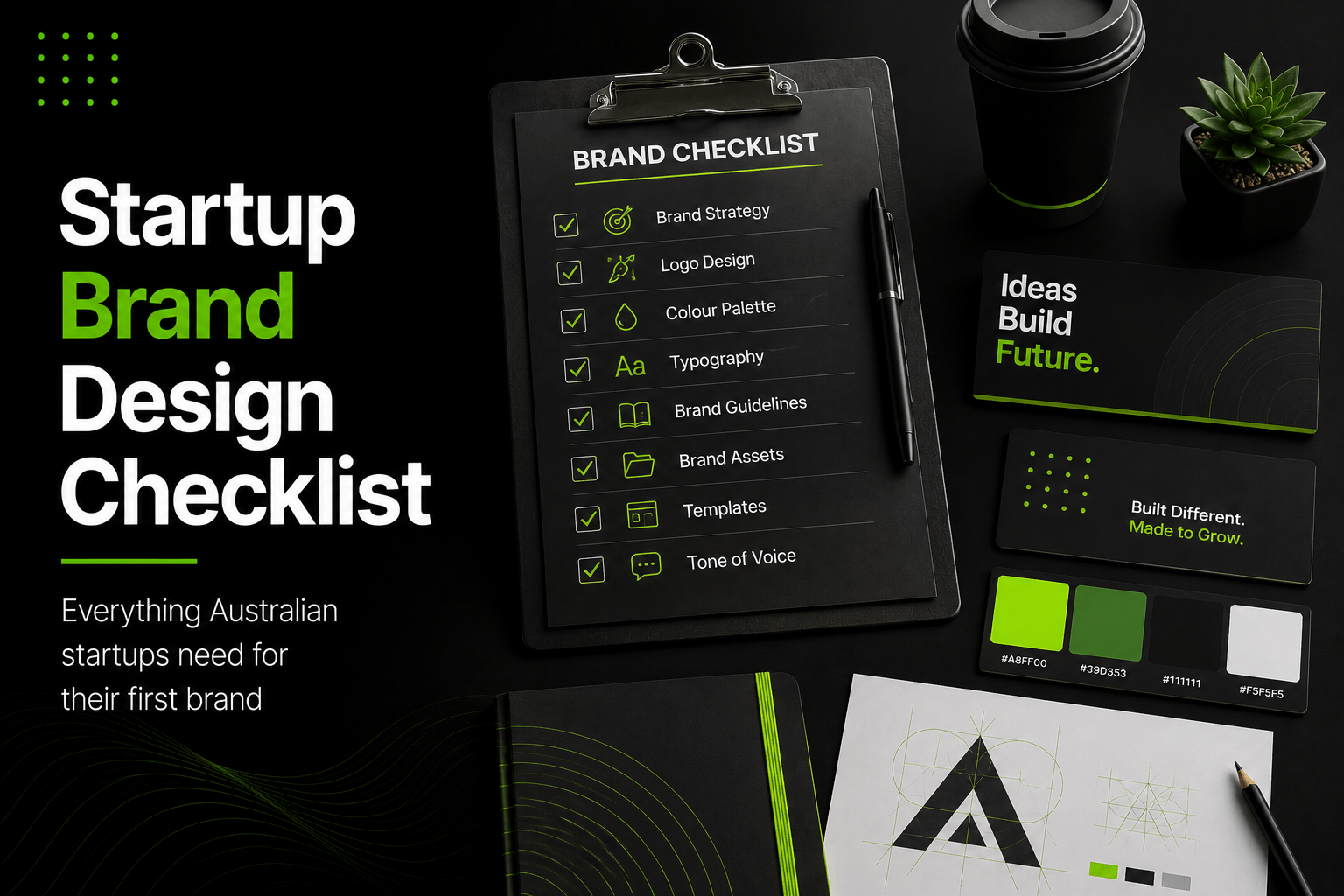
This checklist walks you through every graphic design asset your startup needs, in the order you should tackle them, with practical guidance on what to prioritise and what can wait.
Before You Design Anything: Get These Foundations Right
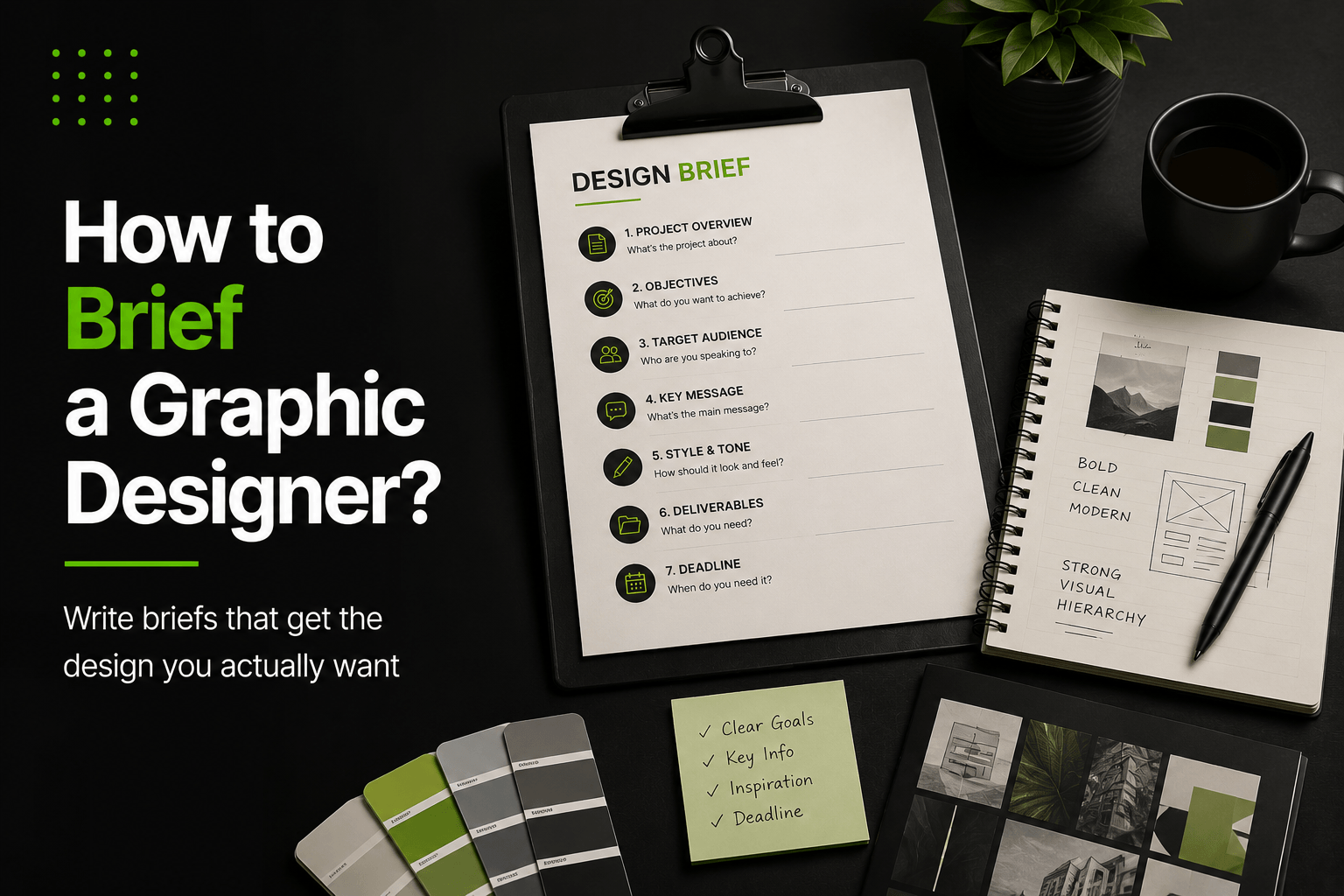
The biggest mistake Australian startups make is rushing into logo design without clarity on what the business actually is and who it is for. Design without strategic foundation produces a logo that looks nice but does not work commercially. Before you talk to a graphic designer, answer these questions.
What is your brand positioning?
Positioning is how your startup sits in the market relative to competitors. Are you the affordable option or the premium one? The fast option or the thorough one? The traditional option or the disruptive one? Your visual identity should immediately communicate your positioning - even before someone reads a word of your copy.
Who is your primary customer?
A graphic design brief for a legal technology startup targeting corporate lawyers looks completely different from a brief for a children's clothing brand targeting suburban parents. Know your audience before you design for them.
What three words describe your brand personality?
Bold and disruptive. Calm and trustworthy. Playful and accessible. These three words become the filter for every design decision. When you are choosing between two logo options, your brand personality words tell you which one is right.
The Complete Graphic Design Checklist for Australian Startups
Phase 1: Brand Identity Essentials (Do These First)
These are the non-negotiable design assets every Australian startup needs before it can operate professionally. Without them, every piece of communication looks inconsistent and unprofessional.
1. Logo Design
- Primary logo: Full version for primary use cases
- Secondary logo: Horizontal or stacked variant for different layouts
- Icon / logomark: The symbol alone, for small-size applications (app icons, social avatars, favicon)
- Reverse logo: White version for dark backgrounds
- Formats needed: SVG (vector), PNG (transparent background), JPG, PDF
2. Colour Palette
- Primary brand colour: 1 to 2 dominant colours
- Secondary colour palette: 2 to 3 supporting colours
- Neutral colours: Backgrounds, borders, body text
- HEX codes (digital), RGB values (screen), CMYK values (print) for every colour
3. Typography System
- Primary typeface: Headings and brand statements
- Secondary typeface: Body copy and supporting text
- Specify: Weights, sizes, and line spacing for each use case
- Web-safe alternatives if primary fonts require licensing
4. Brand Guidelines Document
- Logo usage rules: Clear space, minimum sizes, incorrect usage examples
- Colour specifications with all format codes
- Typography hierarchy and usage rules
- Photography and imagery style direction
- Tone of voice summary
📝 Without brand guidelines, every person who creates content for your startup - designers, marketers, social media managers, printers - will make different decisions about how to use your brand. Inconsistency is the fastest way to look like an amateur.
Phase 2: Essential Marketing Assets (First 30 Days)
Once your brand identity is locked, build the core marketing assets you will use immediately. These are the touchpoints your first customers and investors will encounter.
5. Business Cards
- Standard credit card size (90 x 55mm in Australia)
- Include: Name, title, phone, email, website, logo, LinkedIn if relevant
- Consider: Double-sided, premium finishes (matte laminate, spot UV) if brand positioning warrants it
6. Email Signature
- Consistent branded signature for all team emails
- Logo, name, title, phone, website, social links
- Works across all email clients - avoid images that do not load
7. Social Media Profile Assets
- Profile photo: 800 x 800px minimum, logo or founder photo
- Cover images: Facebook (851 x 315px), LinkedIn (1584 x 396px), Twitter/X (1500 x 500px)
- Branded story and highlight cover templates for Instagram
8. Pitch Deck Template
- Branded slide template aligned to your visual identity
- Cover slide, content slides, full-bleed image slide, thank you slide
- Essential for investor meetings, partnership pitches, and client presentations
Phase 3: Digital Marketing Assets (First 90 Days)
As your marketing activity grows, you will need a set of recurring digital design assets. Building templates for these saves significant time and ensures visual consistency across every campaign.
9. Social Media Post Templates
- Quote/tip post template
- Promotional offer template
- Product or service feature template
- Event or announcement template
- Story template for Instagram and Facebook
10. Website Graphics
- Hero banner image for homepage
- Service or product imagery
- Blog featured image template
- Call-to-action graphics
11. Digital Ad Templates
- Facebook and Instagram ad sizes: 1080 x 1080, 1080 x 1920, 1200 x 628
- Google Display ad sizes if running search campaigns
- Branded with logo, colour palette, and consistent visual style
12. Email Newsletter Template
- Header with logo
- Content blocks for text, images, and CTAs
- Footer with unsubscribe link and social links
- Mobile-responsive design - most emails are opened on mobile
Phase 4: Print and Physical Materials (As Needed)
Physical marketing materials are often overlooked by digital-first Australian startups - but for many industries, they are still essential touchpoints.
- Brochures and flyers: A4 or DL size, folded or flat, for events and sales meetings
- Pull-up banner: 850 x 2000mm standard Australian size, for events and trade shows
- Packaging design: If you sell physical products - labels, boxes, bags, tags
- Signage: Office, retail, or vehicle signage if applicable to your business
- Stationery: Letterhead, envelopes, and compliment slips for professional correspondence
What to Look for in a Graphic Designer for Your Startup?
Your graphic designer is one of the most important early hires or engagements your startup makes. Here is what to look for.
- Portfolio experience with startups and growing brands - not just large corporate clients
- A discovery process that asks about your business, audience, and positioning before starting
- Clear scope and pricing - what is included, how many revision rounds, what file formats you receive
- Ownership of files - you should receive all source files (AI, PSD, Figma) at project completion
- Brand guidelines included - not just logo files
💡 Avoid logo generators and AI design tools for your primary brand identity. They produce generic results that look like hundreds of other brands. Your logo is your most long-lived visual asset - invest in professional custom design from the beginning.
Frequently Asked Questions
Q. How much should an Australian startup spend on their first logo and brand identity?
A professional custom logo design from an Australian graphic designer or agency typically starts from $800 to $1,500 for a logo-only project. A complete brand identity - including logo, colour palette, typography, brand guidelines, and basic stationery - typically costs $2,000 to $5,000 from an experienced designer. Online design platforms start from under $200 but produce generic results that rarely serve growing brands well long-term.
Q. How long does brand identity design take for a startup?
A professional logo and brand identity project for an Australian startup typically takes 2 to 4 weeks from initial brief to final delivery, including concept presentation and revision rounds. Complex brand identity projects with extensive guidelines and asset libraries can take 4 to 6 weeks. Rushing the process usually results in a weaker outcome - give your designer enough time to do the work properly.
Q. Should a startup get a logo before building the website?
Yes. Your website should be built using your finalised brand identity - logo, colours, and typography - not the other way around. Building a website before locking your brand identity means rebuilding design elements later. Complete your brand identity first, then brief your web designer or developer with a full brand guidelines document. This produces a more cohesive, professional result.
Ready to design your startup's first brand? Talk to Ziff Digital - we create logos, brand identities, and graphic design packages for Australian startups at every stage of growth.